Celebrating 10 Years as McKinney’s "No Anxiety" Dentist!
A patient leans back after veneer treatment and asks a question that sounds simple but rarely is: “So how do I keep them looking like this?” The honest answer is that maintaining porcelain veneers is not just about keeping them white. It is about protecting the bond between the veneer and the tooth, reducing unnecessary force, and noticing small changes before they turn into bigger repairs.
Porcelain veneers are thin ceramic coverings bonded to the front surface of teeth. They are strong, stain-resistant, and often very natural-looking, but they are not indestructible. In practice, the people who do best long term are usually not the ones who worry about every sip of coffee. They are the ones who stay consistent with routine care, avoid repeated trauma, and treat changes in bite, sensitivity, or gum health as worth checking.
For broader context on why the health of the mouth matters beyond appearance, see our oral health connection.
At Starlite Dental in McKinney, TX, patients receive personalized guidance on maintaining porcelain veneers through routine checkups and preventive care. Whether someone is adjusting to new veneers or looking to preserve long-term results, we provide ongoing support focused on protecting both the restorations and overall oral health.
It is easy to think of veneers as separate from the rest of the mouth, as if they are cosmetic shells that only need polishing. Clinically, that is not how they work. A veneer depends on the health of the underlying tooth, the edge where porcelain meets enamel, and the surrounding gum tissue.
That is why daily care still matters in familiar ways. Brush twice a day with a non-abrasive toothpaste, clean between the teeth every day, and keep regular hygiene visits. Veneers themselves do not decay, but the tooth structure at the margins still can. Plaque that collects near the gumline or between teeth can raise the risk of cavities and inflammation. If you are unsure what early decay may feel like, learn more about what a cavity feels like. Regular preventive care appointments help catch margin issues and gum irritation early.
A common conversation in the dental chair goes something like this: “If porcelain does not stain much, do I really need to be careful?” The answer is yes, but often for a different reason than patients expect. The porcelain surface usually resists discoloration better than natural enamel, while the natural teeth next to it, the bonding material, and any exposed tooth edges may still darken over time. Good home care helps the whole smile age more evenly.
Most veneer failures are not dramatic. They often begin with small, repeated forces that a patient barely notices. Clenching during work, grinding during sleep, chewing ice, biting fingernails, opening packages with the teeth, or tearing food with the front teeth can all place concentrated stress on the ceramic or the adhesive bond.
If a dentist has ever mentioned bruxism, meaning grinding or clenching, that comment matters. Research suggests veneers can perform well over time, but parafunctional habits such as bruxism may increase the risk of chipping, debonding, fracture, or overload on the supporting teeth. In many cases, a night guard is less about protecting a cosmetic investment and more about controlling the physics of force.
An evaluation for TMJ treatment or a custom appliance can make a meaningful difference.
There is also a quieter issue patients sometimes miss. Even if a veneer still looks intact, an unstable bite can create pressure patterns that slowly weaken the margins. A bite that has changed after dental work, orthodontics, tooth wear, or stress-related clenching deserves attention before visible damage appears.
The good news is that porcelain veneers usually allow a fairly normal diet. Most people can eat comfortably and confidently once the teeth have settled. The more useful question is not “What is forbidden?” but “What creates avoidable risk?”
Very hard foods can chip natural teeth and veneers alike, especially when bitten directly with the front teeth. Sticky foods are less likely to damage porcelain itself than they are to test weak edges or tempt someone to pull food apart with the incisors. Dark beverages such as coffee, tea, and red wine are not usually the main threat to porcelain, but they may contribute to staining around the margins or on neighboring natural teeth.
In other words, veneers do not ask for perfection. They ask for respect. Cutting hard foods into smaller pieces, avoiding chewing on pens or ice, and rinsing after acidic or heavily pigmented drinks are practical habits that usually matter more than strict dietary rules.
Sometimes a patient returns worried that the veneers are “going bad,” when the real issue is gum inflammation. Redness, puffiness, bleeding during brushing, or tenderness around veneered teeth can make even excellent cosmetic work look less natural. The eye often notices the gumline before it notices the porcelain.
This matters for biology as much as appearance. If plaque remains around the veneer margins, the gums can become inflamed, and the tooth structure near the edge of the veneer may become harder to clean. Over time, recession can expose the margin, making the restoration more visible and changing the look of the smile. The ADA also notes that gum health and other underlying dental conditions can affect whether veneers remain a good long-term solution.
A gentle but thorough cleaning routine is usually the answer, along with professional maintenance. If bleeding persists, if the gums feel sore, or if a veneer suddenly seems longer because the gumline has shifted, a dental evaluation is the safer next step.
There is often a moment when a patient notices something small and tries to negotiate with it: “It is probably nothing.” Sometimes that is true. Sometimes it is the beginning of a repair that would have been simpler a week earlier.
Call a dentist sooner if there is a loose veneer, a new chip, a sharp edge, swelling, persistent sensitivity, pain when biting, or bleeding that does not improve. These findings do not always mean the veneer has failed, but they can signal a problem with the bond, the underlying tooth, the bite, or the gums. For sudden problems such as a loose or missing veneer or increasing pain, seek prompt emergency care.
Urgent care is especially important if a veneer comes off completely, if there is facial swelling, fever, pus, significant trauma, or severe pain that is getting worse. Those signs may involve more than the veneer itself. They can point to infection, fracture, or injury to the tooth and supporting tissues.
What should not happen is an at-home repair attempt. Household glues, improvised filing, or trying to force a veneer back into place can complicate treatment and damage the tooth surface.
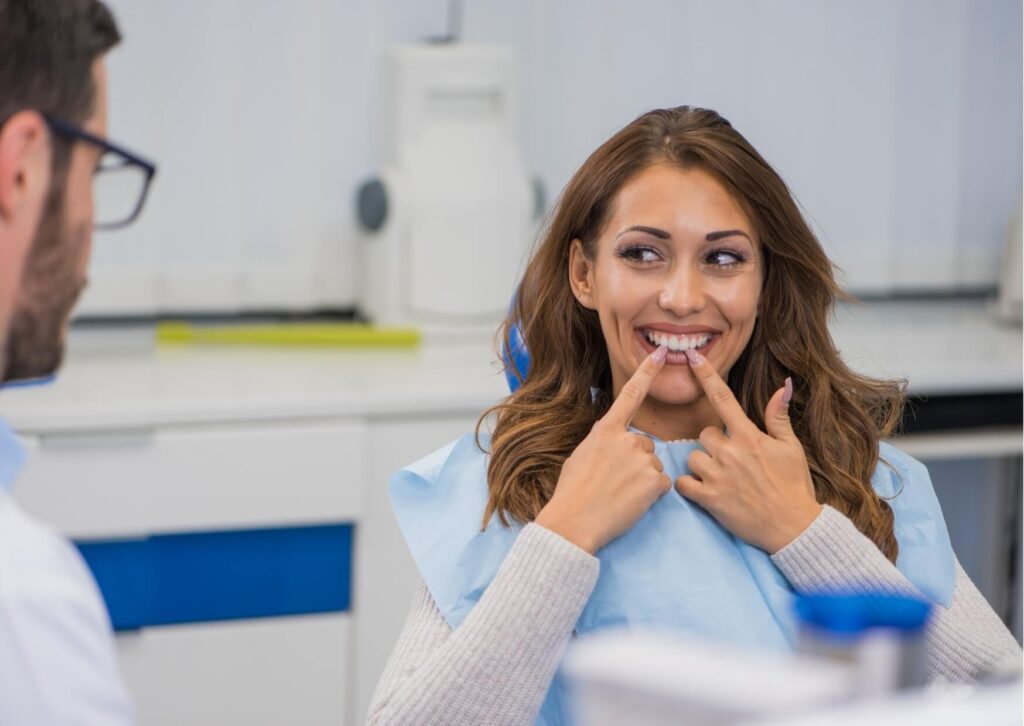
Some patients assume maintenance visits are mainly cosmetic, as if the appointment exists to restore shine. In reality, professional follow-up is where dentists look for details that are easy to miss at home. Margins are checked for leakage or staining, gum tissue is assessed, and the bite is reviewed for new pressure points.
This is also where the long-term story of veneers becomes clearer. Teeth continue to function, age, and adapt. A veneer placed beautifully years ago may still need monitoring because adjacent teeth can shift, enamel can wear, and habits can change. A small adjustment or early repair can sometimes preserve the restoration far longer than a wait-and-see approach.
If there is a night guard, bring it to appointments. If one has been recommended but left unused in a drawer, that is worth revisiting honestly. In many veneer cases, the most important maintenance tool is the one used while asleep.
Patients often want a number, and dentistry rarely gives one without conditions. Porcelain veneers may last well over a decade, and some last longer, but longevity is shaped by several variables. The quality of the original preparation and bonding matters. So do bite forces, grinding habits, gum health, and whether the natural teeth underneath remain sound.
There is also a psychological piece worth naming. Cosmetic dentistry can preserve a moment, but it does not stop time. A smile changes with the rest of the face, the gums, and the neighboring teeth. Good maintenance is not a promise that nothing will ever change. It is a way of making those changes slower, smaller, and easier to manage.
That perspective often helps. Veneers are not fragile art objects, and they are not permanent armor. They are durable restorations that do best when treated as part of a living mouth.
For most patients, the best routine is surprisingly ordinary. Brush with a soft-bristled toothbrush, use a low-abrasion toothpaste, clean between the teeth daily, and keep recall visits on schedule. If there is clenching or grinding, use the protective appliance as directed by the treating dentist.
It is also reasonable to be selective about whitening products, charcoal pastes, and highly abrasive cleaners. These may not improve porcelain and can sometimes roughen surrounding surfaces or irritate the gums. When in doubt, ask the dentist who placed the veneers or a restorative dentist who can evaluate the materials already in the mouth.
Maintenance works best when it becomes routine. A smile usually lasts not because of one heroic effort, but because of many ordinary days of good care.
If you have questions about maintaining veneers, notice changes in your bite or gum health, or want to schedule a routine checkup, contact Starlite Dental in McKinney today.
Call (214) 504-0500 to schedule an appointment and get personalized veneer care designed to help your smile look healthy, natural, and long-lasting. We welcome patients from surrounding areas like Plano and Prosper.
Porcelain is generally more stain-resistant than natural enamel, but surrounding teeth, bonding material, and exposed margins may discolor over time. If the color seems to be changing, a dentist can help determine whether the issue is surface buildup, margin staining, or a change in adjacent teeth.
Many people can eat these foods, but repeated force on the front teeth may increase the risk of chips or edge stress. Cutting harder foods into smaller pieces is often the safer long-term habit.
Mild sensitivity may occur, especially soon after placement, but persistent, worsening, or late-onset sensitivity deserves evaluation. It may relate to the tooth, the bite, the bond, or gum recession rather than the porcelain alone.
Keep the veneer if it can be found and contact a dentist promptly. Do not try to glue it back on at home, because that can interfere with proper recementation or damage the tooth.
Yes. For timing questions, see our dental cleaning duration. Regular dental cleanings and exams remain important because the natural teeth and gums around veneers still need care, and dentists check for margin problems, bite changes, and early wear during those visits.