Celebrating 10 Years as McKinney’s "No Anxiety" Dentist!
A patient sits back in the dental chair and says, almost apologetically, “It is probably just my gums.” That sentence comes up often. Bleeding when brushing, dry mouth, a sore spot that will not settle, breath that has changed over a few months. These may begin as local dental concerns, but they do not always stay local.
The mouth-body connection is the simple idea that the mouth is part of the rest of the body, not separate from it. Gum tissue, saliva, bone, nerves, and the lining of the mouth all respond to inflammation, blood sugar changes, immune shifts, medications, stress, and daily habits. A dental exam can sometimes be the first place where a broader pattern starts to come into focus.
That does not mean every mouth symptom points to a serious illness. Often, the explanation is straightforward, such as plaque buildup, tooth grinding, dehydration, or a medication side effect. Still, it is medically responsible to pay attention when oral changes are persistent, unusual, or more severe than expected.
A preventive dental visit can be a helpful first step in understanding the mouth-body connection and protecting long-term oral health. At Starlite Dental in McKinney, TX, patients receive preventive care focused on identifying concerns early, monitoring oral changes carefully, and supporting overall wellness through consistent dental care.
In real practice, the conversation is rarely dramatic. It sounds more like this: “Have your gums always bled this much?” or “Has your mouth felt dry since starting that new medication?” Dentists look for patterns over time. A single finding may mean very little. Several findings together can be more meaningful.
For example, inflamed gums may reflect local gum disease, also called periodontal disease, which is infection and inflammation affecting the tissues that support the teeth. But the severity of gum inflammation can also be influenced by smoking, diabetes, pregnancy, immune conditions, and oral hygiene challenges. Dry mouth, known clinically as xerostomia, may increase cavity risk and oral discomfort, yet it can also be linked to common medications, mouth breathing, autoimmune disorders, or cancer treatment. Cleveland Clinic’s overview of dry mouth explains these causes and risks in patient-friendly terms.
If fear or anxiety keeps someone from regular care, managing dental anxiety or sedation options can make exams and treatment much more comfortable and help catch problems earlier.
Changes in the tongue, ulcers that linger, fungal overgrowth such as oral thrush, enamel erosion, jaw muscle tension, and a sudden rise in cavities can all have different causes. The important point is not to self-diagnose from a symptom list. It is to recognize that the mouth sometimes reflects patterns happening elsewhere in the body.
If there is one concept that makes the mouth-body connection easier to understand, it is inflammation. Inflammation is the immune system’s response to injury, irritation, or infection. In the gums, long-term plaque accumulation can trigger chronic inflammation. Over time, that may damage the attachment around teeth and, in more advanced cases, affect bone support.
Why does that matter beyond the mouth? Inflamed gum tissue can act like a chronically irritated surface. Bacteria and inflammatory byproducts may enter the bloodstream in small amounts, especially when gum disease is active. Researchers have found associations between periodontal disease and conditions such as diabetes, cardiovascular disease, and adverse pregnancy outcomes.
The American Academy of Periodontology discusses these in gum disease and other diseases. This does not prove that gum disease directly causes all of these problems, but the overlap is strong enough that many clinicians take it seriously.
This is where nuance matters. The best interpretation is not that brushing alone prevents every systemic disease. It is that oral inflammation adds to the body’s overall inflammatory burden, and reducing it is a sensible part of whole-person health.
Some of the clearest examples of the mouth-body connection appear when the body’s internal balance shifts. Diabetes is a major one. Elevated blood sugar may affect wound healing, increase infection risk, worsen dry mouth, and make gum disease harder to control.
In some cases, frequent gum infections or unexpectedly severe periodontal problems are part of the reason a patient is advised to discuss blood sugar testing with a physician.
Hormonal changes can also affect the mouth. Puberty, pregnancy, and menopause may change how gum tissue reacts to plaque. The gums may become more swollen, tender, or likely to bleed even when daily cleaning habits have not changed much. That can feel confusing, but it is a recognized pattern.
Immune suppression and autoimmune disease may also leave clues. Recurrent ulcers, persistent fungal infections, delayed healing, or salivary gland problems deserve attention, especially when they are new or worsening. In a dental setting, these findings do not confirm a medical diagnosis, but they can support the decision to seek further evaluation.
Not every important mouth-body link is dramatic. Some are ordinary, almost easy to dismiss. Saliva is a good example. It helps buffer acids, wash away food debris, protect enamel, and support comfort when speaking and swallowing. When saliva levels drop, the whole environment of the mouth changes.
A patient may say, “I keep getting cavities even though nothing else has changed.” Sometimes something did change. Antidepressants, antihistamines, blood pressure medicines, and many other drugs can contribute to dry mouth. So can sleep apnea, mouth breathing, dehydration, and chronic nasal congestion. The mouth may be where the problem becomes visible first. Read about common cavity symptoms.
Stress belongs in this conversation too. Stress does not directly create every dental problem, but it can intensify clenching, grinding, cheek biting, dry mouth, and inconsistent home care. In practice, jaw pain and worn teeth often tell a story that is as much about sleep and strain as it is about enamel.
For patients whose discomfort is linked to jaw muscles and chronic grinding, TMJ treatment can offer relief and restore better function.
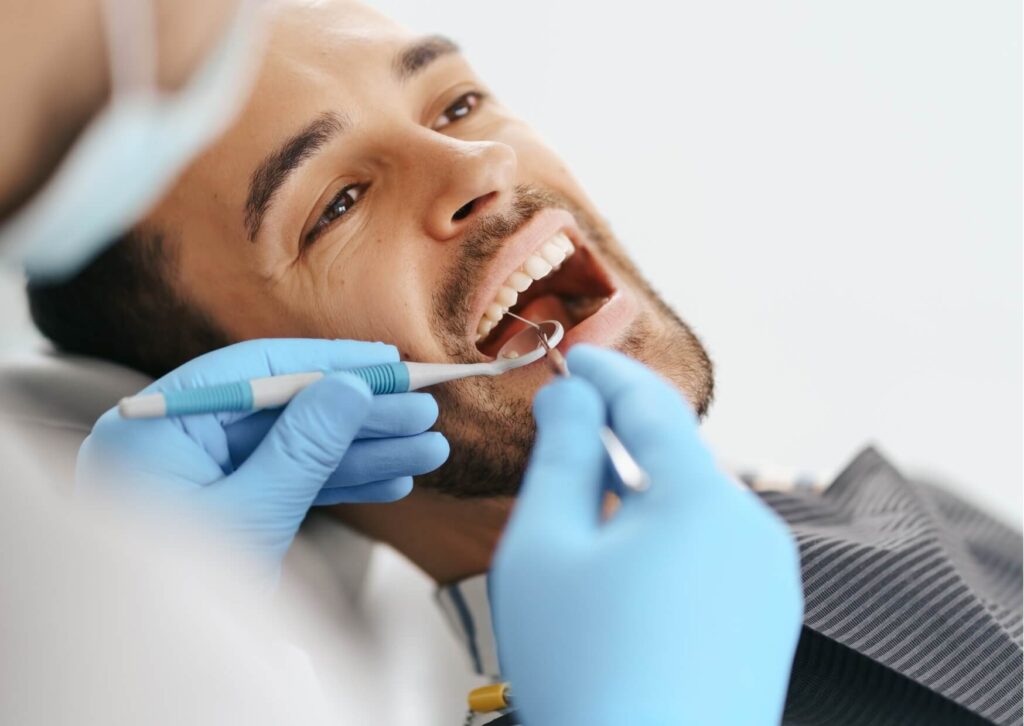
A thoughtful dental exam is not a full-body medical workup, and it should not be presented that way. Dentists diagnose oral disease, evaluate teeth, gums, bone, bite, soft tissue, and related structures of the head and neck. They also recognize patterns that may justify referral to a physician or dental specialist.
That distinction matters. A bleeding gumline may point to gingivitis, which is early gum inflammation, but it does not by itself diagnose diabetes or a clotting disorder. A burning mouth may relate to dryness, irritation, nerve sensitivity, reflux, nutritional issues, or other causes.
A dentist can narrow possibilities, identify urgent concerns, and guide next steps, but personalized medical diagnosis requires the right clinical context and, at times, lab testing or medical imaging.
The most useful dental visits respect both sides of that truth. They neither minimize symptoms nor exaggerate them. They connect the dots carefully.
Some oral symptoms are more urgent than others. A sore, ulcer, red or white patch, or lump that lasts more than two weeks should be evaluated. So should unexplained bleeding, facial swelling, pus around a tooth or gum, severe tooth pain, numbness, difficulty swallowing, or a jaw that suddenly cannot open normally.
Seek urgent dental or medical care for rapid swelling with fever or trouble breathing, because infections in the mouth can occasionally spread into deeper spaces of the face and neck and threaten the airway.
New oral changes in someone with a history of tobacco use, heavy alcohol use, immune suppression, or prior head and neck cancer also deserve timely assessment. For sudden, severe problems we offer same-day emergency care when possible.
Even less urgent symptoms should not be ignored if they keep returning. Recurrent mouth ulcers, persistent dry mouth, repeated fungal infections, and ongoing bad breath despite good hygiene are all reasonable reasons to schedule an exam.
The most reliable approach is not a miracle product or a trendy wellness claim. It is consistent, effective care. Daily plaque removal, regular dental visits, tobacco avoidance, hydration, and management of conditions such as diabetes all support the mouth and the rest of the body at the same time. Routine visits for preventive care are where many of these pieces come together.
It also helps to think in patterns rather than isolated events. If the mouth feels drier after a medication change, if gum bleeding increases during periods of stress, or if reflux seems to coincide with enamel wear, those observations are worth mentioning. Small details often make a dental evaluation more useful.
There is something quietly human about this. People often hope the body will keep its concerns neatly separated: teeth over here, sleep over there, stress somewhere else. But the body rarely works that way. The mouth is not an isolated room. It is one of the places where the rest of health speaks out loud. For a deeper look, read about oral and whole-body health.
If a dentist recommends follow-up with a primary care clinician, endocrinologist, ear, nose, and throat specialist, or oral medicine specialist, that is not a brush-off. It often means the findings deserve a wider lens. Coordinated care is one of the most practical expressions of the mouth-body connection.
Bring a list of medications, recent diagnoses, and symptoms that seem unrelated but may not be. Dry eyes and dry mouth together, for example, may matter more than either symptom alone. So might gum disease that is unusually difficult to control, repeated oral infections, or jaw pain linked with poor sleep.
Good care is rarely about alarms. It is about attention, pattern recognition, and timing. When symptoms are persistent, worsening, severe, or simply unclear, a dental evaluation is a safe place to start, but not always the only place to stop.
If you are experiencing persistent gum inflammation, dry mouth, jaw discomfort, or other symptoms connected to the mouth-body connection, schedule a preventive visit with Starlite Dental in McKinney, TX. Call (214) 504-0500 today to book your appointment and take a proactive step toward better oral and overall health.
Gum disease may contribute to the body’s inflammatory burden, and it has been associated with conditions such as diabetes and cardiovascular disease. That does not mean it directly causes every systemic illness, but treating gum inflammation is still an important part of health care.
A dentist may notice oral findings that suggest a broader issue, such as dry mouth, delayed healing, unusual infections, or severe gum inflammation. Those findings do not replace medical diagnosis, but they can be an important reason to seek further evaluation.
Dry mouth is more than a comfort issue. It can increase the risk of cavities, gum irritation, bad breath, and difficulty eating or speaking. If it is persistent, it should be discussed with a dentist because medications and medical conditions can play a role.
Any sore, patch, or ulcer that lasts longer than two weeks should be examined. Earlier evaluation is wise if there is pain, bleeding, swelling, numbness, or trouble swallowing.
Improving oral health reduces infection and inflammation in the mouth, which is beneficial in its own right and may support overall health. It should be seen as one part of broader medical care, not a substitute for it.