Celebrating 10 Years as McKinney’s "No Anxiety" Dentist!
A patient sits down and says, “I want my tooth fixed, but I do not want metal if I can avoid it.” That is a familiar conversation in dentistry, and in McKinney it comes up often. Some people are thinking about appearance. Others remember an older silver filling, a dark line near a crown, or simply want a restoration that feels more natural in the mouth.
That is where metal-free dental restorations enter the discussion. The term usually refers to restorations made from tooth-colored materials such as porcelain, ceramic, composite resin, or zirconia. These materials can rebuild damaged teeth while blending more closely with natural enamel, the hard outer layer of the tooth.
The right choice depends on more than looks. Bite force, tooth position, decay risk, gum health, and the amount of remaining tooth structure all matter. A front tooth with a small chip is a very different situation from a heavily restored molar that handles strong chewing forces every day.
The best dental decisions are rarely about trends. They are about fit. A restoration should match the biology of the tooth, the function of the bite, and the patient’s goals in a way that is safe, durable, and realistic.
At Starlite Dental, patients can explore restorative dentistry options designed around both function and aesthetics in McKinney, TX. Whether the goal is replacing older metal restorations, improving appearance, or restoring a damaged tooth, we focus on personalized treatment planning that supports long-term oral health and natural-looking results.
If fear keeps you from care, ask about our sedation dentistry for a gentler, more comfortable visit.
When patients ask for a metal-free option, they are usually talking about one of several common treatments. Each serves a different purpose, and each works best in specific situations.
The first reason is usually appearance. Tooth-colored materials can reflect light more like natural enamel, which matters when a restoration shows in conversation, photos, or bright Texas sunlight. For many patients, avoiding the gray or dark edge that can sometimes appear with older restorations is a meaningful benefit.
There is also a comfort factor. People often describe metal-free restorations as feeling less noticeable because they look more like part of the tooth. That feeling is subjective, but it matters. Dentistry is not only about what survives on an X-ray. It is also about whether a person smiles without thinking about the repair.
Some patients ask about sensitivity or reactions. True metal allergy is not common, but it can occur. More often, the concern is personal preference rather than a confirmed medical issue. A dentist can review your history, examine the tooth, and explain whether a metal-free material is practical for your specific situation.
The conversation usually starts with a simple question: what is this tooth being asked to do every day? A front tooth is judged heavily on appearance and edge strength. A molar is judged on load, grinding, and long-term wear.
A dentist will typically assess how much healthy tooth remains, whether there is active decay, whether a crack extends below the gumline, and how the upper and lower teeth meet. This is called the bite, or occlusion. If the bite is uneven or there is clenching or grinding, even a beautiful restoration may fail early if the force pattern is not addressed.
Radiographs, or dental X-rays, may be used to evaluate decay under existing restorations, root condition, bone support, or hidden fractures. Photographs and digital scans are also common, especially when planning cosmetic cases or custom ceramic work.
The answer is not always yes. Sometimes a patient wants a conservative cosmetic fix, but the tooth needs more structural support. In other cases, a person expects a crown when a bonded filling or onlay may preserve a more natural tooth. Good treatment planning is less about selling a material and more about matching the restoration to the real problem.
Composite is a tooth-colored filling material placed directly in the mouth. It is useful for small to moderate defects and can often be completed in one visit. The main advantages are conservative tooth preparation and good color matching.
The tradeoff is durability. Composite can wear, stain, or chip over time, especially in larger restorations or in patients who grind. It is often an excellent option, but it is not the strongest material for every tooth.
Porcelain and related ceramics are widely used for crowns, veneers, inlays, and onlays. They can provide excellent esthetics because they mimic the translucency, or light-passing quality, of natural enamel better than many other materials.
These restorations are laboratory-made or milled digitally and then bonded or cemented into place. They can be very durable, but they still require thoughtful case selection. Thin porcelain in a high-stress bite may not perform as well as a stronger ceramic.
Zirconia crowns have become a major part of modern restorative dentistry. Zirconia is a ceramic, not a metal, and zirconia crowns are durable, which makes them especially useful for molars and other high-load areas.
The main question with zirconia is balance. Some forms are extremely strong but slightly less lifelike than layered porcelain, especially in the front of the mouth. Newer versions have improved aesthetics, but material choice still depends on where the tooth sits and what matters most in that case.
For front teeth, metal-free options are often the first thing discussed because appearance is central. Veneers, bonded composite, and all-ceramic crowns can often produce a natural result when the tooth color, shape, and gum line are carefully evaluated.
For premolars and molars, the decision becomes more functional. A ceramic or zirconia restoration may work very well, but the dentist will consider grinding habits, available tooth structure, and whether the tooth has a large existing filling or a crack. In some cases, a partial-coverage restoration such as an onlay may preserve a more healthy tooth than a full crown.
For replacing missing teeth, metal-free solutions may include certain bridges or implant crowns made with ceramic materials. The details matter here. The health of the neighboring teeth, the amount of bone, and the patient’s bite pattern all affect whether a metal-free replacement is realistic and durable.
The most obvious benefit is appearance. A well-made ceramic or composite restoration can blend with nearby teeth in color, contour, and light reflection. That can be especially important if the tooth shows when speaking or smiling.
Another advantage is that some metal-free restorations allow for a more conservative approach. Bonded materials may preserve more natural tooth structure than older methods in selected cases. Preserving healthy teeth matters because every additional layer removed can affect long-term strength.
Patients also often appreciate that there is no visible metal margin. If the gums recede over time, a dark edge is less likely to show with a fully ceramic restoration. That does not guarantee perfection, but it can support a more natural look over the years.
No dental material is ideal in every situation. Some metal-free restorations can chip or fracture under heavy bite forces, especially if the design is too thin or the underlying tooth is weak. Others may look excellent but wear differently depending on the patient’s bite.
Color matching can also be more complex than patients expect. Natural teeth are not a single flat shade. They have depth, translucency, and subtle variation. Achieving a lifelike result often depends on the skill of both the dentist and the laboratory.
Cost is another practical factor. Custom ceramic work may cost more than a direct filling, and insurance coverage varies. This is where honest dentistry matters most. A restoration should not be recommended simply because it is newer or more attractive on paper. It should be recommended because it is appropriate.
For a small composite filling, treatment may be completed in one visit after the dentist removes decay or damaged tooth structure and bonds the material in layers. The tooth is then shaped and polished so it fits the bite properly.
For a crown, veneer, inlay, or onlay, the process often involves examination, imaging, tooth preparation, digital scanning or impressions, and placement of a temporary restoration if needed. The final restoration is then tried in, adjusted, and bonded or cemented.
Some McKinney practices use same-day digital systems for certain ceramic restorations. That can reduce the number of visits, but same-day does not automatically mean better. The quality of the plan, preparation, bite adjustment, and material selection still determines the outcome.
Sometimes the conversation changes quickly. A patient may start by asking about a cosmetic upgrade, then mention pain with biting, lingering cold sensitivity, swelling, or a crown that suddenly feels loose. Those details matter because they can point to a problem that needs prompt evaluation before any elective restoration is planned.
Seek dental care soon if there is facial swelling, fever, or severe tooth pain, especially if symptoms are worsening. Also call promptly for a cracked tooth with pain on release of biting, a restoration that has fallen out, bleeding around a tooth that does not stop, or a broken tooth with a sharp edge and exposed inner structure.
If you're unsure whether a spot or sensitivity is serious, read about common cavity symptoms so you can tell your dentist what you've noticed.
If there is trauma, trouble swallowing, trouble breathing, or rapid swelling, urgent evaluation is important. These situations may go beyond routine restorative care and can require immediate dental or medical attention.
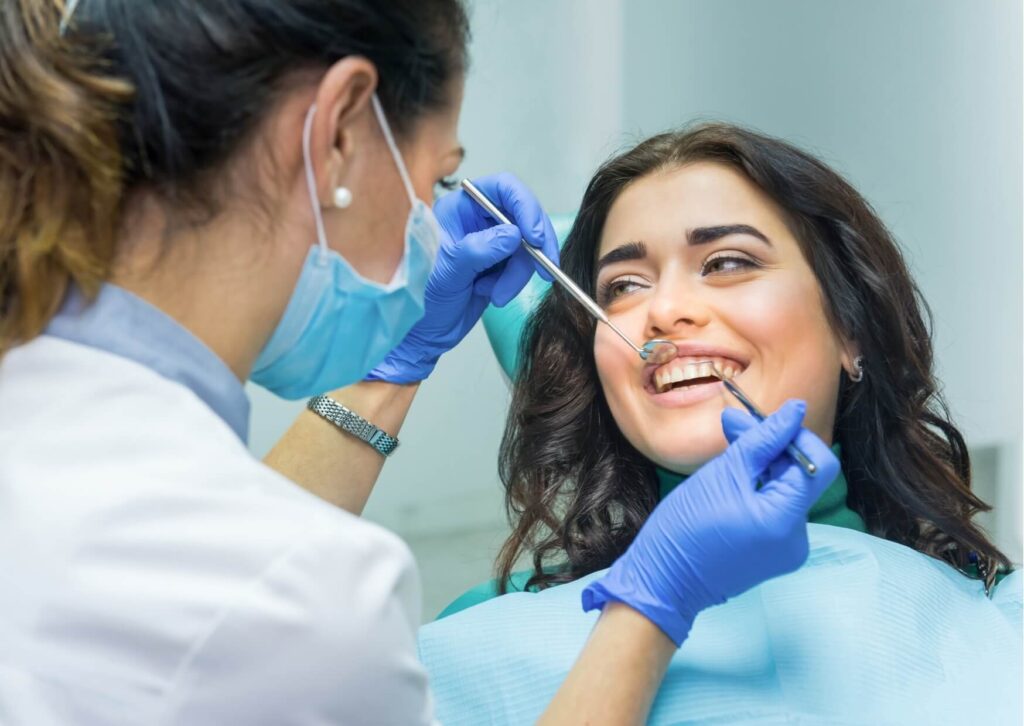
Look for a practice that explains not only what can be done, but why one option fits better than another. Good restorative dentistry is diagnostic before it is cosmetic. The exam should include discussion of bite forces, gum health, decay risk, and the condition of the tooth beneath any old restoration.
Ask what material is being recommended and why. Ask whether the restoration is expected to be bonded or cemented, whether a lab is involved, and what alternatives exist. These are reasonable questions, not difficult ones.
It also helps to ask how the office handles shade matching, temporaries, and follow-up if the bite feels off after placement. A careful practice expects those questions. If fear has delayed your care, find a team experienced in managing dental anxiety.
In a city like McKinney, where patients often have access to both family dental offices and cosmetic dentistry practices, clarity matters more than branding.
Patients often want a number. How long will it last? The honest answer is that longevity depends on the material, the size of the restoration, oral hygiene, diet, grinding habits, and other longevity factors related to the tooth underneath.
A small bonded filling may last many years. A ceramic crown may also last many years. But neither is permanent, and both can fail earlier if recurrent decay develops at the margin, if the bite is too heavy, or if the tooth cracks below the restoration.
That may sound disappointing, but there is another way to see it. Dentistry is often less about permanence and more about stewardship. The goal is to protect the tooth, restore function, and make thoughtful choices that preserve future options whenever possible. For many patients, this ties into broader concerns about oral health and overall well-being.
At Starlite Dental, patients receive personalized restorative care designed to protect tooth structure, restore function, and create natural-looking smiles using modern metal-free materials. Whether you need a tooth-colored filling, ceramic crown, veneer, or a more comprehensive restoration plan, we're here to help you explore options that fit your needs and goals.
Call us at (214) 504-0500 to schedule a restorative dentistry consultation in McKinney, TX. We aim to offer reassuring, patient-first care and can discuss options whether you live locally or come from nearby areas like Frisco or Allen.
In general, yes. Common materials such as composite resin, porcelain, ceramic, and zirconia are widely used in modern dentistry. Safety and suitability still depend on the tooth, the bite, and the overall treatment plan.
They can in some situations, but not always. Strength varies by material. Zirconia is very strong, while some highly esthetic ceramics may be better suited to lower-stress areas or carefully selected front teeth.
Often, yes, especially when appearance is a priority. Ceramic and porcelain materials can mimic natural enamel very well, but the best option still depends on the amount of remaining tooth and the way the teeth come together.
Sometimes they can. A dentist needs to check for decay, cracks, and how much healthy tooth remains before deciding whether a composite filling, onlay, or crown is the safer replacement.
That depends on how much tooth structure has been lost and whether the tooth is cracked or weakened. In general, larger defects and structurally compromised teeth may need more coverage than a filling can provide.
Yes. Cosmetic goals are important, but the tooth and gums still need a proper exam. What looks like a simple esthetic issue may sometimes involve decay, bite wear, gum recession, or a crack that changes the best treatment choice.