Celebrating 10 Years as McKinney’s "No Anxiety" Dentist!
Nitrous oxide sedation helps many patients feel calmer during dental treatment while staying awake and able to respond. Often called laughing gas, it works quickly, can be adjusted during the visit, and usually wears off within minutes after the mask is removed.
If dental anxiety or sensitivity is making it hard to get needed care, sedation dentistry can make appointments calmer and more predictable. At Starlite Dental in McKinney, TX, our approach helps you stay comfortable so routine and restorative care are easier to complete.
Many people put off dental care because of fear, a sensitive gag reflex, strong sounds or sensations, or trouble sitting through treatment. Nitrous oxide sedation is one option used in dental anxiety management to make care feel more manageable.
Delaying treatment can allow decay, gum disease, infection, or a damaged tooth to get worse. Sedation does not fix those problems by itself, but it can make exams and treatment easier to complete.
Dentists may use it during procedures ranging from restorative dentistry to more involved care such as oral surgery. Most patients remain conscious throughout treatment, and the level of relaxation is usually mild to moderate rather than deep.
Nitrous oxide is mixed with oxygen and breathed through a small mask over the nose. Within a few minutes, many patients feel calmer, lighter, warmer, or slightly tingly.
The dentist can adjust the amount during the appointment based on your comfort and response. When treatment ends, oxygen is often given for several minutes, and the effects fade quickly.
Nitrous oxide sedation reduces anxiety and can change how discomfort is perceived, but it does not replace numbing medicine for many procedures. If a treatment could cause pain, the dentist will often also use local anesthetic to numb the area.
This approach is a form of conscious sedation dentistry. That means you are usually relaxed but still able to communicate and follow instructions.
The right comfort plan depends on the procedure, your anxiety level, your health history, and how much support you need. For a broader overview, see types of sedation dentistry.
|
Option |
Awareness |
Recovery Considerations |
|---|---|---|
|
Local anesthetic |
Fully awake; treatment area is numb |
Numbness may last for several hours |
|
Nitrous oxide sedation |
Awake, responsive, and more relaxed |
Effects often resolve within minutes |
|
Drowsiness can range from mild to deeper |
Escort and activity restrictions are often required |
|
|
IV sedation |
Awareness may be significantly reduced |
Monitoring, an escort, and longer recovery are required |
|
General anesthesia |
Unconscious |
Specialized monitoring and structured recovery are required |
Nitrous oxide is often a good middle ground for patients who want more help than local anesthetic alone but do not need deeper sedation. It may also be used during preventive dentistry visits for anxious adults or children.
It may not be the best fit for severe anxiety, very long procedures, or patients who cannot breathe comfortably through the nose. In those cases, the dentist may recommend another option.
Many adults and children can receive nitrous oxide safely after proper screening. It may help if you have dental anxiety, a strong gag reflex, difficulty staying still, sensitivity to sounds or sensations, or a stressful past dental experience.
Talk with your dental team or our sedation dentistry specialists about your options. A short review of your symptoms, medical history, and treatment needs can help determine whether it is appropriate.
Tell the dental team about medical conditions, pregnancy or possible pregnancy, medications, supplements, allergies, substance use, and any past reaction to anesthesia or sedation. Certain precautions may apply for some breathing conditions, ear or sinus problems, vitamin B12-related concerns, or situations where a patient may not be able to follow instructions safely.
A cold or nasal congestion can make nitrous oxide less effective because you need to breathe through your nose. If that happens, the dentist may suggest postponing elective care or using a different comfort approach.
Follow the office's instructions about eating and drinking before your visit. Recommendations can vary based on the procedure, your health history, and whether any other sedative will be used.
Wear comfortable clothing and avoid bulky items around the nose area. Only continue or change regular medications as directed by your prescribing clinician and dental team.
Ask ahead of time whether you will need an escort after the visit. Do not assume you can drive right away if another sedative or medication is also part of your treatment plan.
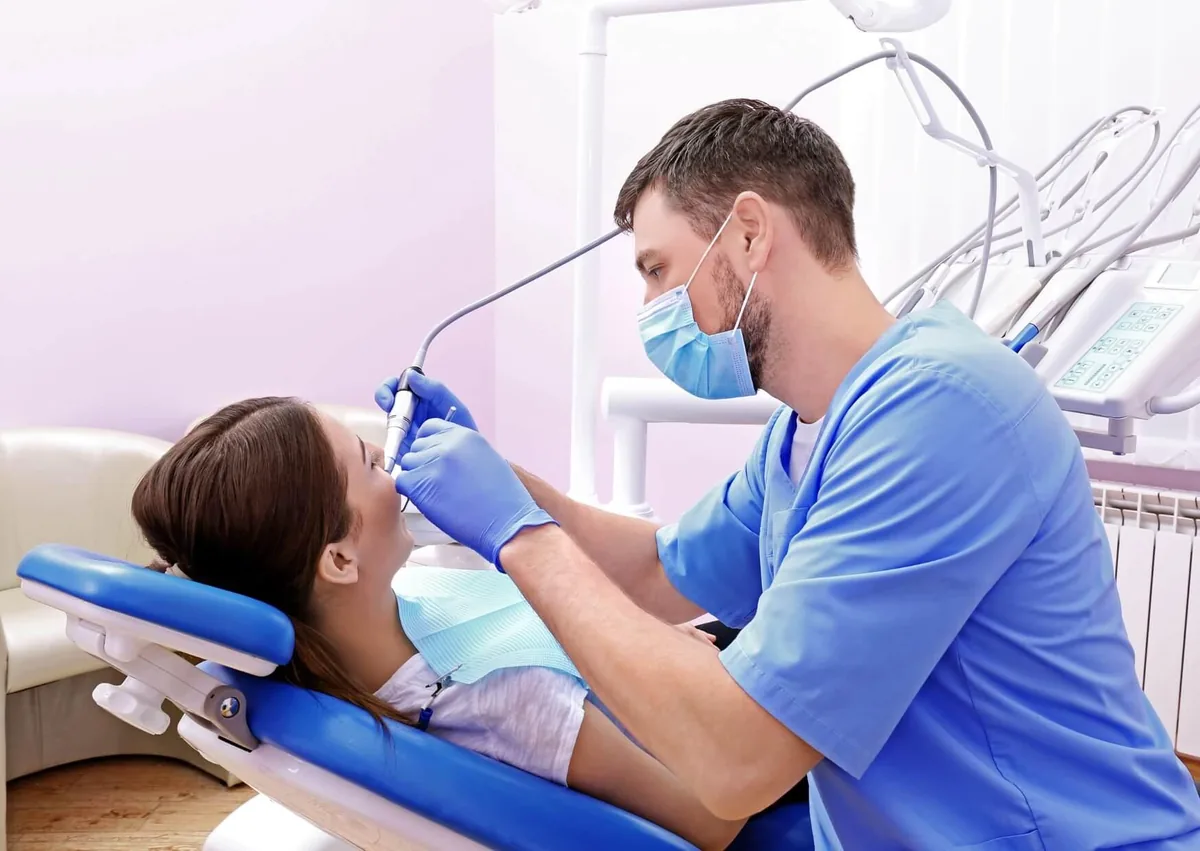
Before treatment starts, the team will review your health information and may check vital signs. The nasal mask is then placed, and you will be asked to breathe normally.
As the nitrous oxide takes effect, you may feel relaxed and less focused on the procedure. You may still notice pressure, vibration, or movement, even when the area is numb.
Let the team know right away if you feel pain, nausea, dizziness, claustrophobia, or anything else that feels uncomfortable. They can pause, adjust the gas, or make other changes to help you stay comfortable.
Monitoring continues throughout the procedure. When treatment is finished, the nitrous oxide is stopped, oxygen may be given, and the team confirms that you are alert and stable before discharge.
Most people recover quickly and can return to normal activities once the dentist says it is safe. Recovery may take longer if local anesthetic, oral medication, or another sedative was also used.
Temporary side effects can include nausea, headache, dizziness, sweating, shivering, or unusual sleepiness. These effects are usually brief, but you should contact the dental office if symptoms persist or worsen.
Seek urgent medical care for trouble breathing, chest pain, fainting, confusion that does not improve, or signs of a serious allergic reaction.
After dental treatment, call a dentist promptly for increasing swelling, fever, uncontrolled bleeding, severe pain, or trouble swallowing, since those symptoms may relate to the dental problem rather than the nitrous oxide itself.
If anxiety has been keeping you from the dentist, mention that concern when you schedule. Knowing that ahead of time helps the team plan the right visit, explain what to expect, and decide whether nitrous oxide sedation or another option fits your needs.
Do not wait to seek care for ongoing tooth pain, sensitivity, a cracked tooth, swelling, bleeding gums, or a lost filling or crown. Early treatment often gives you more options and can make the visit simpler overall.
To discuss whether nitrous oxide or another option is right for your treatment, schedule a consultation to review your care plan. Contact Starlite Dental's sedation dentistry team in McKinney, TX, serving nearby Allen and Prosper, or call (214) 504-0500 to set an appointment.
Usually not. Most patients stay awake, can communicate, and can follow directions during treatment, even though they often feel very relaxed.
Nitrous oxide can reduce anxiety and make discomfort feel less intense, but it does not replace numbing medicine for many procedures. Your dentist may still use local anesthetic to block pain in the treatment area.
The noticeable effects often wear off within minutes after the gas is stopped and oxygen is given. Recovery instructions may differ if other sedatives or medications were also used.
It can be appropriate for many children when it is given by a trained dental professional with proper screening and monitoring. Suitability depends on the child's health, ability to breathe through the nose, cooperation, and the planned procedure.
Instructions vary by patient and procedure. A large meal shortly before treatment may increase the chance of nausea, so follow the dental team's directions.