Celebrating 10 Years as McKinney’s "No Anxiety" Dentist!
Affordable dental implants in McKinney, TX, may be possible through phased treatment, financing, insurance benefits, and a plan based on the number and location of missing teeth. The best first step is a dental implants evaluation, because advertised prices may not include imaging, tooth removal, oral surgery such as bone grafting, the final crown, or follow-up care.
If you're weighing tooth replacement options or worried about bone loss after a missing tooth, a dental implants evaluation clarifies whether implant therapy is right for you. At Starlite Dental in McKinney, TX, we combine clear imaging and personalized plans to help you understand costs, timing, and comfort.
It is normal to worry about cost, surgery, or whether treatment is really necessary. A missing tooth can affect chewing, appearance, and how nearby teeth fit together over time.
A dental implant is a small post, usually made of titanium, placed in the jawbone to support a replacement tooth. After it bonds with the bone through osseointegration, it can support an abutment and crown designed to restore function and appearance as part of restorative dentistry.
An untreated space may allow nearby teeth to shift and can make chewing less balanced. Bone loss may also occur in the area over time because the jaw no longer receives stimulation from a tooth root, although the rate and clinical significance vary.
Implants are not automatically the right choice for every person; review dental implants pros and cons to weigh benefits and limitations. Gum health, bone volume, bite forces, smoking or vaping, certain health conditions, and daily oral hygiene can all affect healing and candidacy.
The total cost depends on the number of implants, the type of restoration, case complexity, imaging, sedation, and whether preparatory procedures are needed. A written, itemized estimate helps you see what is included and what could create added charges.
Common ways to manage cost may include:
A very low quoted fee deserves careful review. Ask whether it includes the implant post, abutment, final crown, scans, temporary tooth, grafting, sedation, follow-up visits, and management of complications.
The lowest starting price is not always the best long-term choice. Treatment should match your oral health, comfort needs, maintenance expectations, and the number of teeth being replaced.
|
Treatment Pathway |
Common Use |
Key Cost and Care Considerations |
|---|---|---|
|
One missing tooth |
Does not require shaping neighboring teeth, but grafting may increase cost |
|
|
Implant-supported bridge |
Several adjacent missing teeth |
May replace multiple teeth with fewer implants than one implant per tooth |
|
Implant-supported denture |
Many or all teeth missing |
Can improve denture stability; design, implant count, and removability affect cost |
|
Traditional bridge |
One or more missing teeth |
Usually faster and avoids implant surgery, but adjacent teeth often require preparation |
|
Removable partial or full denture |
Multiple missing teeth |
Often has a lower initial cost but may provide less stability and require future adjustment |
Some patients can receive an implant soon after tooth removal, while others need time for infection control or bone healing. Same-day placement or temporary teeth may be possible in selected cases, but these approaches are not right for everyone.
Implant placement is usually performed with local anesthetic to numb the area. Depending on anxiety, medical history, procedure length, and office capabilities, additional options may include nitrous oxide or oral or intravenous sedation through sedation dentistry.
Sedation can add to the total cost; see sedation dentistry cost for more detail on fees and planning. If you want to learn about a specific deeper-relaxation option, review conscious sedation dentistry.
Sedation may also require fasting, transportation, or medical clearance. Your dental team should explain the expected level of awareness, safety steps, and whether a responsible adult needs to come with you.
Tell the clinician about past difficult dental experiences, a strong gag reflex, medications, allergies, and health conditions. Anxiety can often be planned for rather than pushed through without support; see dental anxiety management for practical strategies.
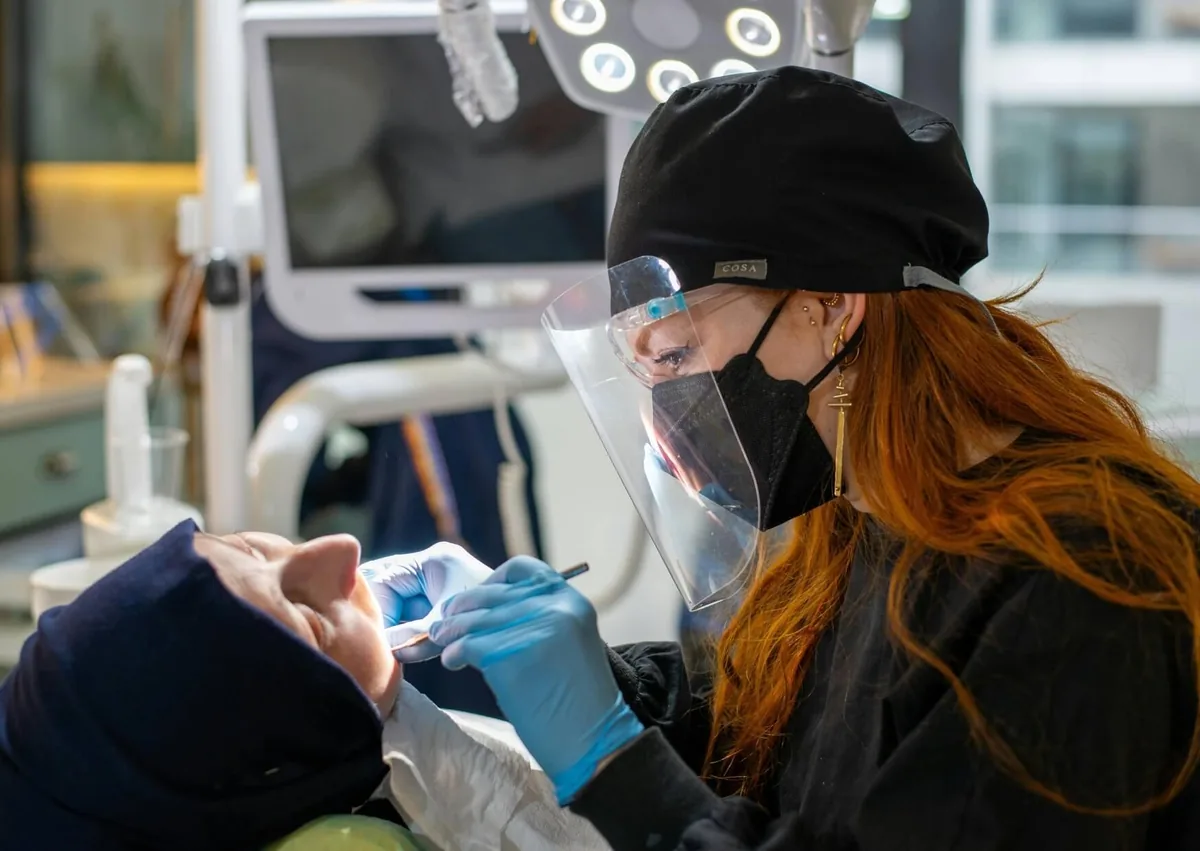
The evaluation often includes an exam, dental X-rays, and sometimes a three-dimensional cone beam CT scan. The clinician checks the gums, bone, bite, nearby roots, nerves, and sinus spaces before discussing options, timing, and fees.
During placement, the area is numbed and the implant is positioned in the jawbone. In some cases, a temporary tooth may be provided, but it may not be attached to the implant during healing.
Mild swelling, soreness, bruising, or limited chewing can happen for several days. Follow your treating clinician's instructions for oral hygiene, diet, activity, and medication instead of relying on general online advice.
Osseointegration often takes several months, although timing varies by site, bone quality, health, and treatment method. Once healing is adequate, the abutment and final crown, bridge, or denture can be made and adjusted.
Schedule an evaluation if a tooth cannot be saved, a missing tooth is affecting eating or confidence, or a denture feels unstable. Earlier assessment may preserve more treatment choices, especially when bone loss or shifting teeth could make later care more complex.
Seek prompt dental care for increasing pain, facial swelling, pus, fever, uncontrolled bleeding, a loose implant, or worsening symptoms after a procedure. Trouble breathing or swallowing, rapidly spreading swelling, or other severe symptoms need emergency care.
Bring your insurance information, medication list, relevant medical history, and any recent dental images to the consultation. Comparing complete plans, expected maintenance, clinician qualifications, and total fees can make the next step feel more predictable.
The next step is a targeted implant evaluation to review your options, expected costs, and a personalized plan. Contact Starlite Dental for dental implants in McKinney, TX, serving nearby Allen and Prosper; call (214) 504-0500 to schedule a consultation.
There is no single reliable price because offices may include different components in the fee. Ask for an itemized estimate covering the implant, abutment, crown, imaging, preparatory procedures, temporary restoration, sedation, and follow-up care.
Some plans cover part of the exam, extraction, crown, or implant procedure, while others exclude implants or apply waiting periods and annual limits. The insurer and dental office can help provide a benefit estimate, but it is not a guarantee of payment.
Availability varies by provider. Some offices may offer phased payments or work with financing companies, and qualified patients may also use HSA or FSA funds for eligible expenses.
Price alone does not show quality or safety. Appropriate imaging, sterile technique, suitable materials, careful case selection, clinician training, clear follow-up arrangements, and transparent fees are more meaningful points to review.
Implants can function for many years, but no restoration has a guaranteed lifespan. Gum health, home care, regular professional maintenance, smoking, grinding, medical conditions, and bite forces can all influence longevity, and the attached crown or denture may eventually need repair or replacement.