Celebrating 10 Years as McKinney’s "No Anxiety" Dentist!
Wisdom tooth pain often happens when a tooth is erupting, trapped under the gum, or irritating nearby tissue (learn more about wisdom tooth eruption). Mild soreness may settle for a short time, but pain that lasts, keeps coming back, or comes with swelling should be checked by a dentist.
In some cases, the cause is infection, decay, or pressure on a nearby tooth that needs treatment.
If persistent pain or impacted teeth are causing repeated infection or difficulty eating, oral surgery can address the underlying problem. Starlite Dental in McKinney, TX evaluates surgical options with clear explanations and personalized comfort planning.
Wisdom teeth, also called third molars, usually come in during the late teens or early adulthood. Some erupt into a healthy position, but others do not have enough room to come in normally.
A wisdom tooth may be partly or fully impacted, meaning it is trapped under gum tissue or bone. That pressure can cause soreness in the back of the jaw, tenderness when chewing, or pain that seems to spread toward the ear.
Partly erupted wisdom teeth are also harder to clean. Food and bacteria can collect under the gum flap and lead to pericoronitis, which may cause swelling, a bad taste, bad breath, or difficulty opening the mouth.
Wisdom tooth pain can feel similar to pain from a cavity, gum disease, jaw tension, or another tooth. An exam is the safest way to confirm the source instead of assuming the wisdom tooth is the problem.
Schedule a dental visit if the pain lasts more than a few days, keeps returning, interferes with sleep, or makes eating uncomfortable. Pain that is getting stronger instead of better also deserves prompt attention.
Contact a dentist promptly or seek emergency dentistry if you notice facial or jaw swelling, pus, fever, a persistent bad taste, or increasing trouble opening your mouth. These signs can point to infection or worsening inflammation.
Seek urgent medical care now for trouble breathing or swallowing, rapidly spreading swelling, swelling near the eye or neck, confusion, or severe illness. These symptoms may mean an infection is spreading and should not wait for a routine dental visit.
While you wait for your appointment, rinse gently with warm salt water and keep the area as clean as you comfortably can with a soft toothbrush. Choose softer foods and chew on the opposite side if that feels better.
If swelling is present, place a cold pack on the outside of the cheek for short intervals. An over-the-counter pain reliever may also help if you use it exactly as directed on the label.
Check with a pharmacist or clinician first if you are pregnant, take prescription medicines, use blood thinners, have kidney disease or a history of stomach ulcers, or are unsure what is safe for you.
Do not place aspirin, alcohol, essential oils, or other chemicals directly on the gum because they can irritate or burn the tissue. Do not try to cut the gum, drain the area, or use leftover antibiotics. Those steps can delay proper treatment and make the problem worse.
The visit usually starts with questions about when the pain began, what makes it worse, and whether you have swelling, fever, or drainage. The dentist then examines the area and checks nearby teeth and gums.
Dental X-rays are often used to see the tooth's position, root shape, and relationship to surrounding bone and structures. This helps determine whether the tooth is erupting normally, partly impacted, decayed, or affecting a neighboring tooth.
Treatment depends on the cause, not just the pain level. A dentist may clean and irrigate inflamed tissue, treat decay, monitor a tooth that is coming in normally, or recommend wisdom tooth removal when the tooth is repeatedly infected, hard to maintain, damaged, or harming the tooth next to it.
|
Finding |
Common Treatment Pathway |
Why It May Be Chosen |
|---|---|---|
|
Temporary eruption soreness without disease |
Monitoring and home comfort measures |
Symptoms may improve as the tooth continues to emerge |
|
Inflamed tissue around a partly erupted tooth |
Professional cleaning and reassessment |
Reduces trapped debris and helps show whether symptoms return |
|
Decay or gum disease that can be treated |
Restorative or periodontal care |
Preserves the tooth when it is healthy and maintainable |
|
Recurrent infection, damage, or harmful impaction |
Wisdom tooth removal |
Addresses the source and helps protect nearby tissue |
Antibiotics are not needed for every painful wisdom tooth. They may be prescribed when there is evidence of bacterial infection, but they do not fix impaction, crowding, or tooth decay on their own.
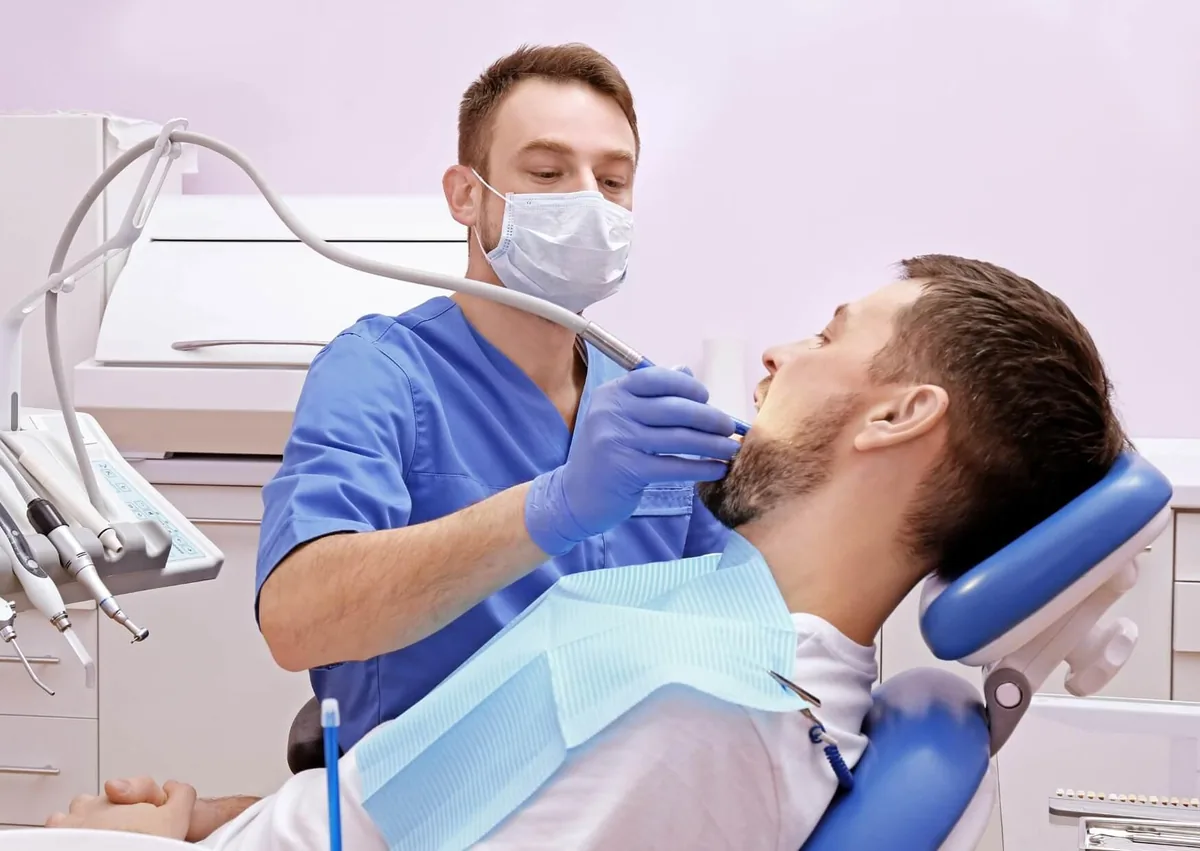
If oral surgery is recommended, the dentist or oral surgeon will explain the tooth's position, the procedure, expected recovery, and any individual risks. Local anesthetic numbs the area, and sedation dentistry may be available depending on the procedure, your health history, and your level of anxiety (see dental anxiety).
A simple extraction may be possible if the tooth has fully erupted. If the tooth is impacted, the clinician may need to open the gum, remove a small amount of bone, or divide the tooth into sections so it can be removed more safely.
Tell the dental team about all medications, supplements, allergies, health conditions, pregnancy, and any past reactions to anesthesia. If sedation is planned, follow the office instructions about eating, drinking, transportation, and having a responsible adult with you afterward.
If you have questions about fees, see sedation dentistry cost.
After wisdom tooth removal, soreness and swelling often peak during the first two to three days and then begin to improve. Healing time varies based on how many teeth were treated, how they were positioned, and your body's normal healing response.
Follow the office instructions for gauze, eating, cleaning, activity, and any prescribed or recommended medicines. Avoid smoking, vaping, straws, and forceful rinsing early on because they can increase the risk of dry socket, a painful loss or breakdown of the protective blood clot.
Call the treating office if bleeding does not slow with instructed pressure, pain gets worse after first improving, swelling keeps increasing, or you develop fever, pus, foul drainage, concerning numbness, or trouble swallowing. A timely follow-up can help tell normal healing from a complication.
Wisdom tooth pain is common, and an evaluation does not automatically mean surgery. Getting checked when symptoms persist or return gives your dentist a chance to relieve discomfort, catch infection or damage early, and explain the next step clearly.
For worsening pain, swelling, or signs of infection, seek prompt evaluation so the cause can be identified and treated before it spreads or harms nearby teeth. Starlite Dental provides oral surgery care in McKinney, TX and nearby Allen and Prosper; call (214) 504-0500 to schedule or ask about same-day options.
Mild soreness from eruption can improve on its own. But if the tooth stays partly covered, hard to clean, or impacted, the pain may return. If symptoms last, worsen, or keep coming back, it is best to have the area checked.
Possible signs include worsening pain, swollen or red gum tissue, pus, a bad taste, fever, facial swelling, or difficulty opening the mouth. These signs are not specific enough for self-diagnosis, so contact a dentist promptly.
No. Some wisdom teeth can be monitored or treated without removal if they are healthy, functional, and cleanable. Removal is more likely when there is recurrent infection, untreatable decay, harmful impaction, cyst formation, or damage to a nearby tooth.
Schedule an appointment if the pain lasts more than a few days, keeps returning, or affects normal activities. Seek faster care for swelling, fever, drainage, or increasing difficulty opening the mouth, and seek emergency care for breathing or swallowing problems.