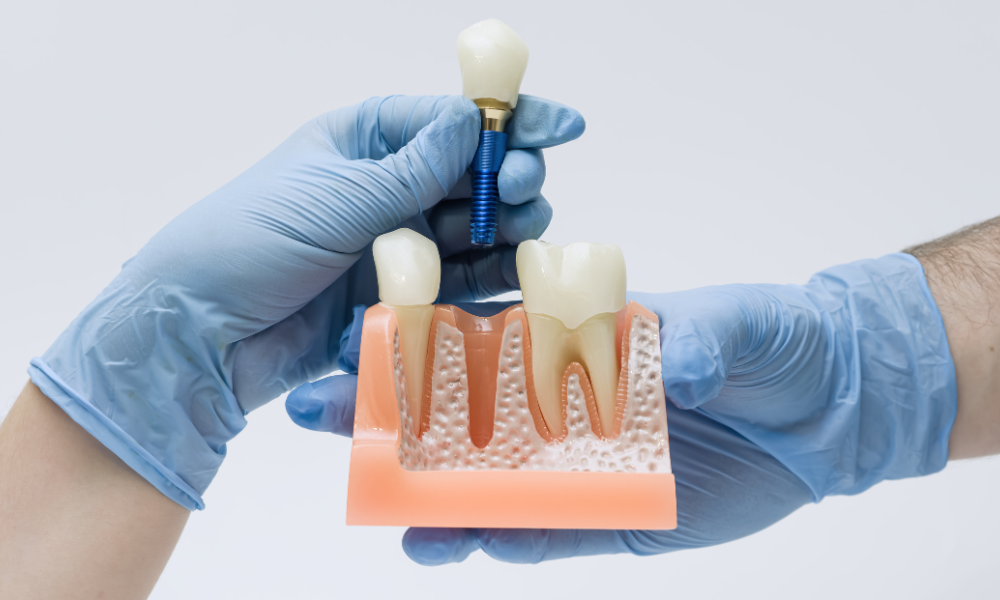
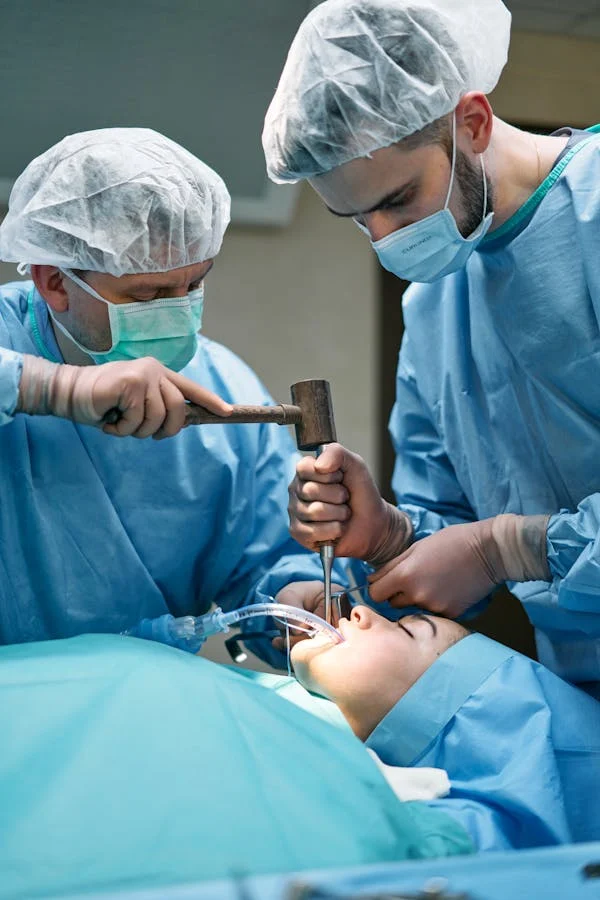
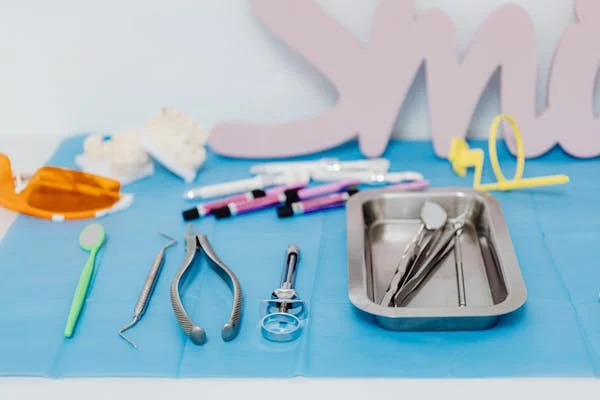
A single tooth implant replaces one missing tooth by placing a titanium post in the jawbone and attaching a custom crown. It is designed to restore function and appearance without relying on adjacent teeth.
This option is commonly used when a tooth is missing due to decay, injury, or extraction.
Quick Facts About Single Tooth Implants
What it is: A post and crown system that replaces one missing tooth
Who it is for: Patients missing a single tooth with adequate bone support
Main benefit: Independent replacement without affecting nearby teeth
Limitations: Requires healing time and multiple steps
Timeline: Several months depending on healing
Category: Part of implant and restorative dentistry
When Is a Single Tooth Implant Recommended?
A single tooth implant is typically recommended when one tooth is missing and surrounding teeth are healthy.
It helps restore spacing and function without modifying adjacent teeth.
Common situations include:
Tooth loss due to decay or damage
Missing tooth after extraction
Desire for a fixed, non-removable option
Avoiding bridges that rely on neighboring teeth
Example: Instead of reshaping adjacent teeth for a bridge, an implant replaces the missing tooth independently.
How Does a Single Tooth Implant Work?
A single tooth implant works by placing a post into the jawbone, allowing it to integrate, and then attaching a crown.
This process is completed in stages to support healing and stability.
These services support both placement and long-term success of the implant.
How Long Does a Single Tooth Implant Last?
A single tooth implant is designed for long-term use, but longevity depends on oral hygiene, habits, and routine dental visits.
Regular checkups help monitor the implant and surrounding tissues.
FAQ: Single Tooth Implant
Is a single tooth implant permanent? It is designed to be long-lasting, but results depend on care and oral health.
Does the procedure take one visit? Treatment is completed in stages over time.
Is it better than a bridge? Each option depends on your dental condition and goals.
Can everyone get an implant? Not all patients are candidates; evaluation is required.
What to Do Next
A single tooth implant provides a structured way to replace a missing tooth while maintaining function and appearance. It is one of several options available, and the right choice depends on your oral health and treatment goals.
If you want to explore whether a single tooth implant is appropriate for your situation, you canrequest an appointment with Starlite Dental for a personalized evaluation.
Your Guide to Conscious Sedation for Dental Procedures
For many individuals, visiting the dentist can trigger varying levels of anxiety or discomfort. At Starlite Dental in McKinney, TX, we recognize these challenges and prioritize making every patient feel safe, informed, and at ease. One of the most effective solutions for managing dental anxiety is conscious sedation dentistry—a method that allows patients to undergo treatment while remaining calm and responsive.
Below is a comprehensive overview of conscious sedation, including who may benefit, how it works, and the options available at our practice. Our goal is to help you feel empowered in your dental care decisions by understanding how sedation can enhance your overall experience.
What is Conscious Sedation Dentistry?
Conscious sedation in dental care involves administering medication to help patients stay relaxed and comfortable during their procedure. Unlike general anesthesia, it does not cause complete unconsciousness. Instead, patients experience a relaxed, semi-aware state where they can still follow instructions and retain natural reflexes.
Patients often describe the experience as feeling calm and detached from the dental procedure. In some cases, short-term memory of the visit is reduced, making the appointment feel quicker and less stressful.
This approach is especially valuable for anxious patients, require extensive dental work or simply prefer a more relaxed treatment environment.
Who Can Benefit from Conscious Sedation?
At Starlite Dental, we evaluate each patient individually to determine whether conscious sedation is appropriate. Candidates for this form of sedation may include:
Patients with moderate to severe dental anxiety or dental phobia.
Individuals undergoing lengthy or multiple procedures in one appointment.
Those with a low pain threshold or heightened gag reflex.
Patients with special healthcare needs or difficulty sitting still.
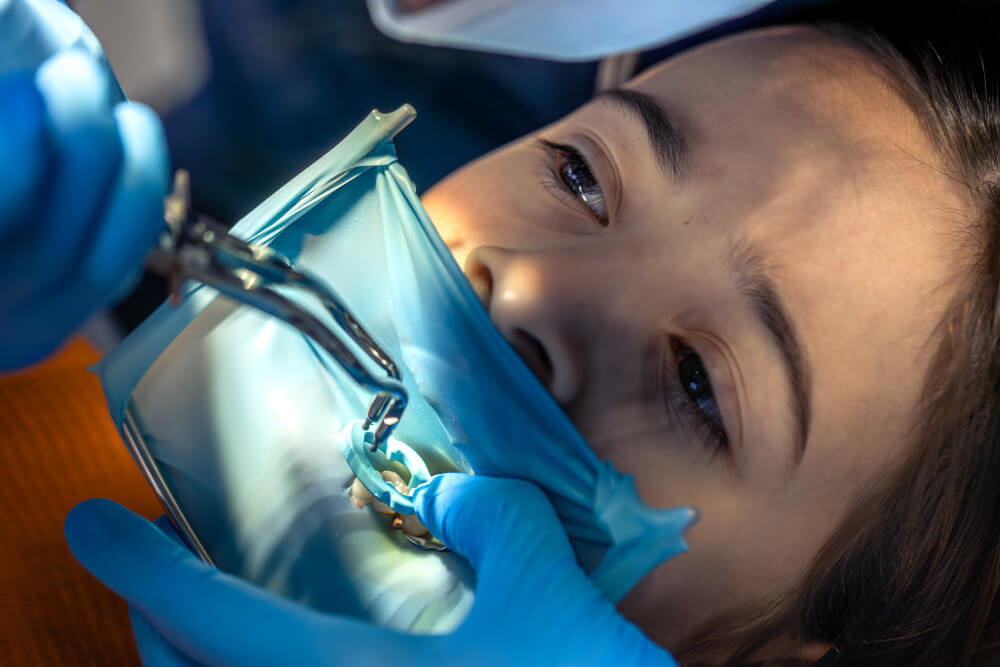
Children who are fearful or have difficulty cooperating during treatment.
By offering customized sedation solutions, we help patients overcome barriers to receiving the care they need in a supportive and non-judgmental environment.
Types of Conscious Sedation Offered at Starlite Dental
Starlite Dental offers a range of dental sedation options, enabling us to tailor the experience to your specific needs and comfort level, depending on the procedure. Below are the primary forms of conscious sedation we offer:
Nitrous Oxide Sedation
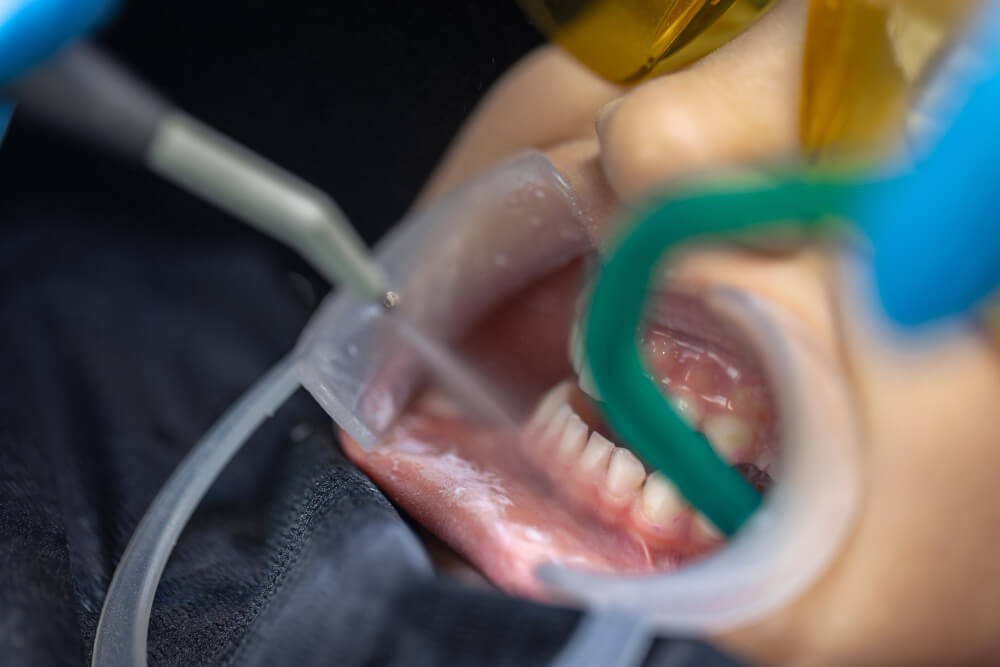
Often called “laughing gas,” nitrous oxide is a light form of sedation administered through a nasal mask. It begins working within minutes, helping patients feel relaxed and at ease without losing consciousness. Throughout the procedure, individuals stay alert and able to respond to instructions. One major advantage is its quick recovery time—most patients can return to their regular routines soon after the appointment.
Oral Conscious Sedation
Oral sedation involves taking a prescribed medication, typically from the benzodiazepine family, before the dental appointment. This form of conscious sedation for dental procedures produces a deeper state of relaxation than nitrous oxide. Patients may feel drowsy and may not remember the entire procedure, but remain responsive. Due to the longer-lasting effects, patients will need a companion to drive them home after treatment.
Intravenous (IV) Sedation
IV sedation is administered directly into the bloodstream, allowing for precise control of the sedation level throughout the procedure. It offers a deeper level of relaxation and is often recommended for complex dental procedures or patients with significant anxiety. As with oral sedation, patients typically have little recollection of the appointment and must arrange for transportation and supervision afterward.
How Conscious Sedation Works
Sedation medications act on the central nervous system to reduce anxiety, increase relaxation, and dull pain perception. Depending on the method used, sedation can be administered through inhalation, oral medication, or intravenously. Regardless of the route, all sedation techniques used at Starlite Dental are carefully monitored and adjusted to ensure patient safety and comfort.
Importantly, even under sedation, patients retain the ability to breathe on their own and respond to instructions. This makes conscious sedation a safe, effective alternative to general anesthesia for many types of dental procedures.
What to Expect Before, During, and After Sedation
Before Your Appointment
Before receiving sedation, a thorough consultation will be conducted to review your medical history, discuss medications, and assess your suitability for sedation. You will receive instructions tailored to the type of sedation, such as avoiding food and drink for a specified period.
During the Procedure
Once the sedation takes effect, the dental procedure will proceed as planned. Our clinical team monitors vital signs, such as heart rate, oxygen levels, and blood pressure, throughout the appointment to ensure your safety and comfort.
Most patients report feeling calm, detached from the activity, and unaware of time passing.
After the Appointment
Recovery time depends on the specific sedation method used. Nitrous oxide typically fades within minutes, so most patients can resume normal activities and drive themselves afterward. However, oral and IV sedation tend to have longer-lasting effects, making it essential to arrange for a trusted adult to accompany you and ensure you rest for the remainder of the day.
Safety and Professional Oversight
At Starlite Dental, safety is the foundation of our sedation protocol. Each member of our team is highly trained in sedation monitoring and emergency preparedness. We adhere to strict guidelines and use only approved medications and equipment.
Our team continuously monitors patients during and after sedation to ensure stable vital signs and smooth recovery. In addition, all sedation plans are reviewed with patients beforehand to establish clear expectations and address any concerns.
Key Benefits of Conscious Sedation Dentistry
Patients who receive conscious sedation dentistry often report a significantly more comfortable and positive dental experience. Key benefits include:
Reduced Anxiety
Improved Pain Management
Increased Treatment Efficiency
Better Compliance
Fewer Gag Reflex Issues
By offering personalized sedation options, Starlite Dental makes it possible for even the most anxious patients to receive high-quality care with confidence.
Preparing for a Sedation Dentistry Appointment
To ensure a safe and seamless experience, patients scheduled for dental sedation should:
Follow all pre-sedation instructions provided during the consultation.
Arrange for a trusted adult to accompany them to and from the appointment.
Wear comfortable, loose-fitting clothing.
Disclose all current medications, allergies, and underlying medical conditions.
Set aside time after the procedure to rest and recover at home.
Our team provides detailed guidance tailored to each type of sedation, ensuring patients feel informed and prepared every step of the way.
Why Choose Starlite Dental for Sedation Dentistry?
At Starlite Dental, we prioritize patient comfort by combining advanced sedation techniques with a calming, spa-like environment. Our experienced team is dedicated to supporting patients with dental anxiety or medical sensitivities through personalized care, transparent communication, and a strong focus on safety. Whether you're visiting for a routine cleaning or a complex procedure, we offer flexible treatment plans designed to help you feel at ease every step of the way.
Discover Stress-Free Dental Care in McKinney, TX
If dental anxiety has kept you from getting the care you need, Starlite Dental in McKinney, TX, offers a solution you can trust. Our experienced team provides conscious sedation dentistry in a calm, supportive environment, making it easier to relax during any procedure.
We’re open Monday through Thursday from 8 AM to 5 PM (Wednesday until 1 PM) and Friday from 8 AM to 2 PM. Contact us today to schedule your consultation, learn more about our sedation options, or explore our full range of dental services tailored to your needs.
Frequently Asked Questions
Will I be unconscious during the procedure?
No. Conscious sedation is designed to keep you relaxed while allowing you to remain awake and responsive.
Can I drive myself home?
Only if you receive nitrous oxide, patients receiving oral or IV sedation will need a responsible adult to provide transportation.
How long will the sedation last?
The duration depends on the type used. Nitrous oxide wears off within minutes, while oral and IV sedation effects may last for several hours.
Is sedation dentistry safe?
Yes. When administered by trained professionals, sedation is a safe and effective way to manage anxiety and discomfort. At Starlite Dental, all sedation is closely monitored and tailored to each patient.
Is conscious sedation suitable for children?
In many cases, yes—especially nitrous oxide. A comprehensive evaluation is conducted to determine the safest option for each child.
Sedation Dentistry Explained
Let’s be honest — for many, a dental appointment triggers instant anxiety. The sound of a drill, the smell of antiseptic, or even just the reclining chair can cause unease. But what if there was a way to dissolve that fear… to simply relax in the chair while your treatment happens seamlessly?
That’s exactly where sedation dentistry steps in.
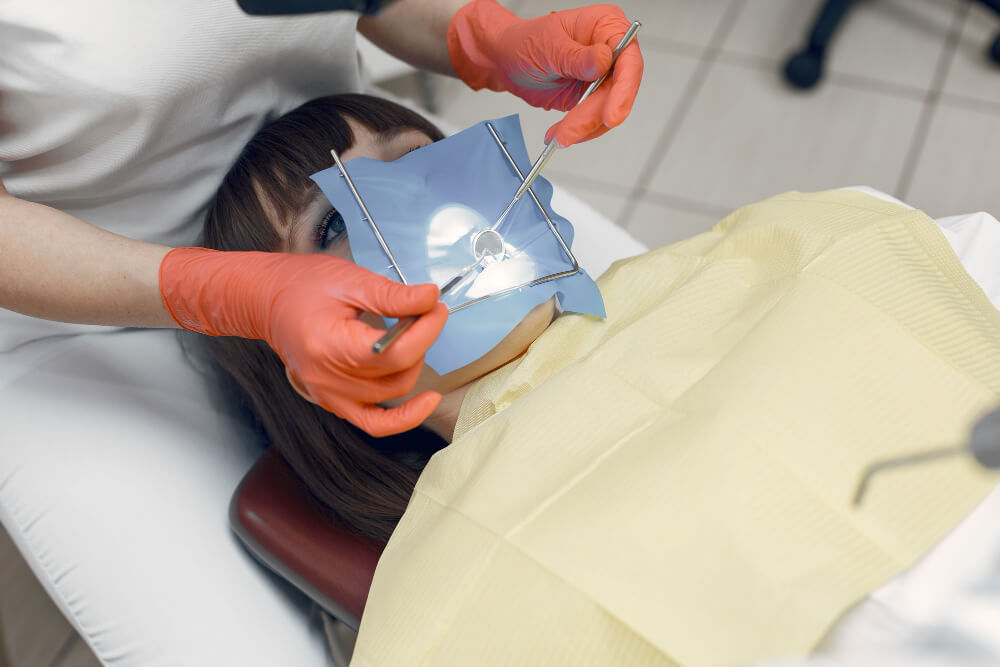
Sedation dentistry at Starlite Dental is a specialized field aimed at helping patients undergo dental procedures without fear, stress, or pain. Whether it's a routine cleaning or a complex surgical procedure, sedation methods can transform your experience at the dentist.
What is Sedation Dentistry?
Sedation dentistry uses medication to help patients relax during dental procedures. It's sometimes referred to as “sleep dentistry,” although that term isn’t entirely accurate—most patients remain awake unless general anesthesia is used.
This approach is especially beneficial for patients who experience anxiety, have low pain tolerance, require extensive dental work, or have a strong gag reflex.
In short, sedation dentistry turns what might feel like a stressful chore into something as calming as an afternoon nap.
Why Sedation Dentistry Exists
The Role of Dental Anxiety
Dental fear isn’t just in your head — it’s real, and millions of people suffer from it. Fear of pain, negative past experiences, or embarrassment over dental issues can keep people away from the dentist for years. Sedation dentistry exists to remove that emotional barrier.
Managing Pain and Discomfort
Some dental procedures are inherently invasive or prolonged. Sedation helps in dulling the senses, lowering awareness of pain, and making lengthy procedures feel like mere minutes.
Making Complex Procedures Easier
Imagine having multiple fillings, a root canal, and a crown placement — all in one sitting. For many, that’s overwhelming. Sedation makes it feasible by allowing the dentist to work uninterrupted, and the patient to remain calm and still.
How Sedation Dentistry Works
Sedation vs. Anesthesia: Key Differences
People often confuse sedation with anesthesia. While sedation calms the mind and body, general anesthesia renders a patient completely unconscious. Sedation allows interaction with the dentist, though memory and sensation may be minimal.
How It Affects the Brain and Body
Sedatives affect your central nervous system. Depending on the method, they can reduce awareness, limit sensory perception, slow reaction time, and enhance relaxation—without putting you to sleep completely.
Safety and Monitoring Protocols
Safety is paramount. Throughout sedation, your heart rate, blood pressure, oxygen levels, and breathing are continuously monitored to ensure everything remains within safe limits.
Levels of Sedation
Different patients require different levels of sedation depending on their needs and the complexity of treatment.
Minimal Sedation (Anxiolysis)
You’re fully awake but relaxed — perfect for cleanings or minor procedures.
Moderate Sedation (Conscious Sedation)
You may slur your words and not remember much of the procedure, but you’re responsive.
Deep Sedation
You're on the edge of consciousness but can still be awakened with some effort.
General Anesthesia
You’re fully unconscious, similar to what’s used in surgery.
Also known as laughing gas, this is the most common and mildest form. Inhaled through a mask, nitrous oxide works quickly and wears off just as fast — even before you leave the office.
Oral Sedatives (Pills or Liquids)
Taken an hour before the appointment, these help induce drowsiness. The most commonly prescribed oral sedative is Halcion, a medication in the same family as Valium.
IV Sedation
Administered through a vein, IV sedation works fast and offers a deeper level of control. It’s often used for lengthy or invasive procedures.
General Anesthesia in Dental Settings
Used only in very specific cases, general anesthesia requires a highly trained team and is usually reserved for hospital settings or complex surgical procedures.
Common Treatments and Procedures That Use Sedation
Sedation dentistry is not limited to a particular procedure. It is frequently applied across many treatments.
Tooth Extractions
Wisdom teeth removal or other extractions become much less traumatic under sedation.
Root Canal Therapy
Sedation helps ease the discomfort and anxiety commonly associated with root canals.
Dental Implants
Since implant placement involves surgery, sedation ensures a smoother, pain-free experience.
Multiple Restorations in One Visit
Want to fix multiple teeth in one go? Sedation allows extended sessions without fatigue or discomfort.
Is Sedation Dentistry Right for You?
Ideal Candidates for Sedation
Patients with severe dental anxiety
Those undergoing long or complex procedures
People with a strong gag reflex
Children or individuals with special needs
Conditions That May Prevent Use
Certain heart or respiratory conditions
Pregnancy (in some cases)
Allergies to sedative medications
Screening and Evaluation Process
Before you’re sedated, your dentist will review your medical history, medications, and overall health to ensure you’re a safe candidate.
Preparing for a Sedation Appointment
What to Expect Before the Visit
You’ll receive detailed instructions, including when to stop eating or drinking, what to wear, and what documents to bring.
Dietary and Medication Restrictions
Some forms of sedation require fasting. You may also need to adjust or avoid certain medications.
Required Accompaniment and Recovery Planning
You’ll need someone to drive you home — and possibly stay with you — for a few hours post-procedure.
During the Procedure: What Happens?
Step-by-Step Overview
You arrive, sign consent forms, and get prepped.
Sedation is administered.
Vitals are monitored throughout.
Dental work is performed.
You’re moved to recovery until you’re alert enough to go home
How Patients Feel Under Sedation
Most patients feel sleepy, peaceful, and disconnected from what's happening. It’s not unlike drifting off during a boring movie.
Communication with the Dental Team
Even under sedation, many patients can still respond to verbal cues and instructions.
Aftercare and Recovery
Post-Sedation Monitoring
You’ll be monitored closely before you're released. Depending on the sedation used, you may be drowsy for several hours.
Common Side Effects
Grogginess
Mild nausea
Dry mouth
Minor memory lapses
Tips for Safe Recovery at Home
Rest the remainder of the day
Hydrate and eat light meals
Avoid driving or operating machinery for 24 hours (if sedated)
Pediatric Sedation Dentistry
Is It Safe for Children?
Yes — when administered by trained professionals. Pediatric sedation is tailored to children’s weight, health, and dental needs.
Common Sedation Methods for Kids
Nitrous oxide
Oral sedatives
Mild IV sedation (rare)
Parental Preparation and Consent
Parents must consent to sedation and will receive detailed instructions to ensure their child’s safety.
Benefits of Sedation Dentistry
Anxiety Relief
Sedation eases the overwhelming fear that keeps many from getting the dental care they need.
Efficient Dental Work
Dentists can complete more work in fewer appointments, saving you time and stress.
Improved Oral Health Outcomes
With fewer skipped appointments and more thorough care, your oral health gets a real boost.
Alternatives to Sedation Dentistry
Cognitive Behavioral Techniques
Techniques like guided breathing and visualization can help manage dental anxiety naturally.
Music and Aromatherapy
Many dental offices offer calming environments with relaxing scents and playlists.
Local Anesthesia Without Sedation
For patients with low anxiety, a simple local numbing agent may be enough.
Questions to Ask Your Dentist
What Sedation Options Are Available?
Your dentist should explain each method, its benefits, and suitability based on your needs.
What Are the Risks in My Case?
Understanding potential side effects or interactions helps you make informed decisions.
What Should I Do to Prepare?
Clear instructions will ensure everything goes smoothly on the day of your appointment.
Starlite Dental: Personalized Sedation Dentistry in a Comfortable Setting
At Starlite Dental, located in McKinney, TX, we understand that dental visits can be challenging, which is why we've created an environment unlike any typical dental clinic. Our cozy surroundings and welcoming team are dedicated to making you feel like family, helping to ease any anxieties and fostering an atmosphere of comfort, trust, and individualized care.
You can find us in McKinney, Texas, and our business hours are as follows: we are open on Mondays, Tuesdays, and Thursdays from 8 AM to 5 PM, on Wednesdays from 8 AM to 1 PM, and on Fridays from 8 AM to 2 PM. At Starlite Dental, we're committed to providing personalized care services in a setting where you can feel truly at ease.
From cleanings to implants, we’ve got you covered — all in one location. At Starlite Dental, going to the dentist is like visiting someone who genuinely cares — because we do. Call us.
Conclusion
What is Sedation Dentistry? It's more than just medication — it’s a gateway to fearless, pain-free dental care. Whether you’ve avoided the dentist for years or just want a smoother experience, sedation can transform your perception of oral health.
And if you’re in McKinney, TX, Starlite Dental is here to offer the relaxing, expert care you deserve. Book online.
Frequently Asked Questions
Is sedation dentistry safe for everyone?
Most patients tolerate sedation well, but your dentist will evaluate your health history to ensure it’s the right option for you.
Will I be asleep during the procedure?
Not necessarily. Unless general anesthesia is used, you’ll be awake but deeply relaxed.
How long does it take for sedation to wear off?
It depends on the type — nitrous oxide wears off quickly, while oral or IV sedation may take hours.
Is sedation covered by insurance?
In some cases, yes — especially if it's medically necessary. Check with your provider.
Sedation Dentistry Types
Dental anxiety is a common concern that prevents many individuals from seeking necessary dental care. Sedation dentistry at Starlite Dental offers a solution by providing various levels of relaxation and comfort to patients during dental treatments.
Sedation dentistry utilizes medications to help patients feel at ease while undergoing dental procedures. The type of sedation used varies based on the level of anxiety, the complexity of the treatment, and the patient's overall health.
Understanding the different types of sedation dentistry can help patients make informed decisions about their care and ensure a more pleasant experience at the dentist.
What is Sedation Dentistry?
Sedation dentistry refers to the use of pharmacological agents to induce a state of calm or unconsciousness in patients undergoing dental procedures. This practice is particularly beneficial for individuals with dental phobia, those undergoing extensive treatments, or patients with special needs that make traditional dental care challenging
The goal of sedation dentistry is to enhance patient comfort while ensuring the dentist can perform necessary procedures efficiently.
Benefits of Sedation Dentistry
Sedation dentistry offers several advantages for both patients and dental practitioners, including:
Reduction of Anxiety and Fear – Helps individuals with a dental phobia feel at ease during treatment.
Pain Management – Certain types of sedation provide analgesic effects, minimizing discomfort.
Increased Patient Cooperation – Beneficial for individuals with involuntary movements or strong gag reflexes.
Efficiency in Treatment – Allows dentists to complete complex or multiple procedures in a single visit.
Improved Experience for Special Needs Patients – Helps individuals with cognitive or physical impairments receive necessary dental care.
Who is a Good Candidate for Sedation Dentistry?
Sedation dentistry is an appropriate option for individuals who experience:
Dental anxiety or extreme fear of dental procedures.
A strong gag reflex that interferes with treatment.
Low pain tolerance.
The need for extensive or multiple dental procedures.
Difficulty sitting still for prolonged periods due to medical conditions.
Sensory sensitivities that make dental visits overwhelming.
Different Types of Sedation Dentistry
Sedation dentistry can be classified into four primary levels, ranging from minimal relaxation to complete unconsciousness:
Minimal Sedation – The patient remains awake but in a relaxed state.
Moderate Sedation – The patient is still conscious but may not recall much of the procedure.
Deep Sedation – The patient is on the verge of unconsciousness but can still be awakened.
General Anesthesia – The patient is fully unconscious and unaware of the procedure.
Inhalation Sedation – The patient inhales a sedative gas, typically nitrous oxide, to achieve a relaxed state.
Factors to Consider When Choosing Sedation
When determining the appropriate level of sedation, the following factors should be taken into account:
Level of Anxiety – Patients with mild anxiety may only require minimal sedation, while those with severe phobia may benefit from deeper sedation.
Complexity of the Procedure – More extensive treatments often require higher levels of sedation.
Medical History – Certain sedatives may not be suitable for individuals with specific health conditions.
Recovery Time – Some forms of sedation have longer recovery periods, affecting post-procedure activities.
Minimal Sedation
What is Minimal Sedation?
Minimal sedation at Starlite Dental, also known as anxiolysis, is a mild form of sedation that helps patients relax while remaining fully conscious. This type of sedation is commonly used for individuals with mild dental anxiety.
Common Uses of Minimal Sedation
Routine dental cleanings for anxious patients.
Minor restorative procedures such as fillings and sealants.
Patients with mild nervousness about dental visits.
Advantages and Disadvantages of Minimal Sedation
Advantages:
Quick onset and recovery time.
Safe for most patients.
Patients remain aware and responsive.
Disadvantages:
May not be sufficient for patients with severe anxiety.
Does not provide pain relief; local anesthesia may still be required.
Moderate Sedation
What is Moderate Sedation?
Moderate sedation, also known as conscious sedation, places patients in a more relaxed state where they may experience slight drowsiness. Patients under moderate sedation can still respond to verbal commands but may have limited memory of the procedure.
Methods of Administration
Oral Sedation: Patients take a sedative pill before the procedure.
Intravenous (IV) Sedation: A sedative is delivered directly into the bloodstream for a more controlled effect.
When is Moderate Sedation Used?
Tooth extractions.
Root canal therapy.
Patients with moderate to severe dental anxiety.
Potential Risks and Side Effects
Drowsiness and grogginess post-procedure.
Temporary amnesia regarding the treatment.
Dry mouth or mild dizziness.
Deep Sedation
What is Deep Sedation?
Deep sedation is a state where patients are nearly unconscious but can still be awakened with stimulation. This level of sedation is useful for lengthy or complex procedures.
General anesthesia renders a patient completely unconscious, eliminating all sensations and awareness during the procedure. It is typically used for complex oral surgeries.
When is General Anesthesia Necessary?
Wisdom teeth removal.
Jaw surgery.
Patients with extreme dental anxiety or special needs.
Safety Considerations
Requires administration by a trained anesthesiologist.
Vital signs must be closely monitored.
Extended recovery time is necessary before resuming normal activities.
Inhalation Sedation
What is Inhalation Sedation?
Inhalation sedation, commonly known as laughing gas, involves breathing in nitrous oxide mixed with oxygen.
Nitrous Oxide and Its Role in Sedation Dentistry
Provides relaxation
Effects wear off quickly
Safe for children and adults
Benefits and Drawbacks of Inhalation Sedation
Fast-acting
No needles
Not strong enough for major procedures
Common Myths About Sedation Dentistry
There are several misconceptions regarding sedation dentistry. Some of the most common myths include:
"Sedation is only for major surgeries." While deep sedation and general anesthesia are used for complex procedures, mild and moderate sedation can be beneficial for routine treatments such as fillings and cleanings.
"Sedation dentistry is unsafe." When administered by a trained professional, sedation is highly safe and carefully monitored.
"Patients are always unconscious under sedation." Many sedation techniques allow patients to remain awake yet deeply relaxed.
Starlite Dental: Sedation Dentistry Experts in McKinney
At Starlite Dental, patient comfort is a priority. Our clinic offers a variety of sedation options to ensure a stress-free experience. The team at Starlite Dental is highly trained in administering sedation safely and effectively, catering to patients with dental anxiety, special needs, or those requiring extensive procedures.
If you are in McKinney, TX, and seeking a comfortable and relaxed dental experience, Starlite Dental provides expert care and various services with advanced sedation techniques tailored to each patient’s needs. Contact us today.
Conclusion
Sedation dentistry has revolutionized dental care by making procedures more accessible and comfortable for patients who experience anxiety or require extensive treatments.
Understanding the different types of sedation allows individuals to make informed choices about their dental care.For those seeking expert sedation dentistry services, Starlite Dental in McKinney, TX, offers professional and compassionate care to ensure a stress-free dental experience. Book now.