Celebrating 10 Years as McKinney’s "No Anxiety" Dentist!
A patient sits down and says, “My gums bleed when I brush, but nothing really hurts.” That is a common starting point. Gingivitis is early gum inflammation, and it often begins quietly.
In simple terms, the gums react to a sticky film of bacteria called plaque that collects along the gumline. When plaque is not removed well enough, the tissue becomes irritated, swollen, and more likely to bleed.
This stage matters because gingivitis is usually reversible. If inflammation stays in place too long, the problem can move beyond irritated gums to deeper gum disease, where bone and attachment around the teeth may begin to break down.
Starlite Dental in McKinney provides preventive care for early gum inflammation, the kind of service many patients with bleeding or swollen gums need.
When people ask how to fix gingivitis, the honest answer is simple. The goal is to reduce the bacterial buildup that keeps the gums inflamed and then give the tissue time to heal.
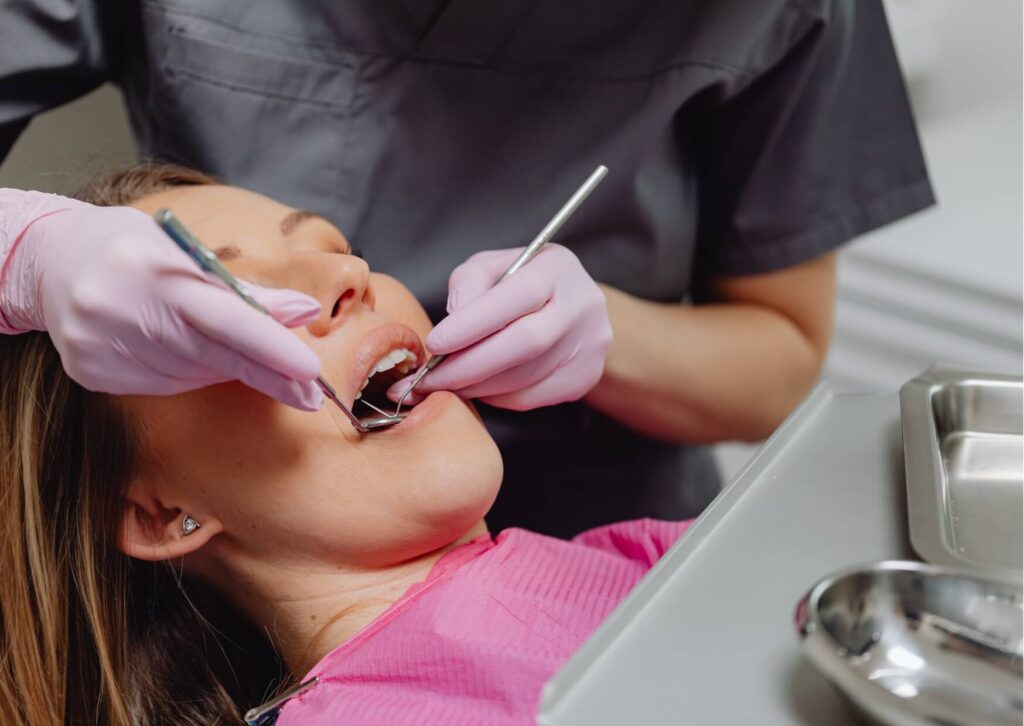
A dentist or dental hygienist will usually examine the gumline, measure the tissue around the teeth, and check for tartar. Tartar is plaque that has hardened onto the teeth, and once it forms, a professional cleaning is usually needed because brushing alone cannot remove it.
For that step, preventive care can remove tartar and help the gums recover. If you want to know what that visit may involve, read more about dental cleaning duration.
At home, the basics matter more than heavily marketed products. Careful brushing along the gumline, daily cleaning between the teeth, and staying consistent for days to weeks often make the biggest difference.
There is also a human side to this. Many patients feel embarrassed when bleeding starts, as if it means they have failed at oral care.
Usually, it means the gums are inflamed, not that the situation is hopeless. That distinction can make it easier to act instead of avoiding the problem, especially when it overlaps with dental anxiety.
For patients who feel anxious about dental visits, sedation dentistry can make professional cleanings and treatment more comfortable. You can also learn more about what sedation is and how to manage dental anxiety.
A common question in the exam room is, “If I brush every day, why are my gums still bleeding?” The answer is often in the details.
Brushing can miss the narrow area where the tooth meets the gum. It also often misses the spaces between teeth completely.
Inflamed gums have fragile blood vessels near the surface. That means light contact from a toothbrush or floss may trigger bleeding, especially if plaque has been sitting in those areas.
Bleeding may also be more likely during hormonal changes, with dry mouth, around crowded teeth, or when older dental work traps plaque. Smoking can sometimes mask the usual bleeding pattern even while gum disease is getting worse, which makes the problem harder to recognize.
Treatment usually starts with a cleaning above and slightly below the gumline, depending on what is present. If the problem is truly gingivitis and not deeper periodontal disease, that may be enough to let the tissue recover.
The dental team may also point out areas that repeatedly collect plaque. Common examples include crowded lower front teeth, rough margins around fillings or crowns, and the back surfaces of the last molars, where daily cleaning is often rushed.
Sometimes the most helpful part of the visit is the explanation. A patient may come in asking how to fix gingivitis and leave understanding that the issue is not bad luck but a pattern that can be changed.
If there are signs of deeper damage, the dentist may recommend a more detailed periodontal evaluation. That matters because gingivitis and periodontitis are not the same thing, even though the early symptoms can overlap.
At home, gentle and thorough cleaning is usually more effective than aggressive cleaning. Scrubbing harder often irritates the gum edge without removing plaque well.
Cleaning between the teeth matters because gingivitis often starts where the toothbrush does not reach. Floss, interdental brushes, or other dentist-recommended tools may help, depending on the spacing and shape of your teeth.
Many people hope for a shortcut, especially after seeing blood in the sink for a week or two. But trend-based rinses, abrasive powders, and home scraping tools are poor substitutes for a proper diagnosis and cleaning.
If symptoms are mild and recent, gums may start looking less red and less puffy within a couple of weeks of consistent care. If bleeding continues, gets worse, or returns quickly after improving, a dental exam is the safer next step.
Not every irritated gumline is simple gingivitis. Some patients notice that their teeth look longer, their bite feels different, or a bad taste keeps coming back.
Red flags that need prompt dental attention include significant swelling, pus, severe pain, fever, facial swelling, a loose tooth, or bleeding that seems excessive or does not settle. Receding gums, persistent bad breath, and tenderness when chewing can also point to deeper periodontal involvement.
If any of those red flags appear, urgent care may be needed rather than routine treatment. For those situations, consider emergency dentistry.
Sometimes the body interrupts normal life and asks for attention. Gum disease can be one of those moments.
It is not only about teeth. It can also reflect stress, neglected routines, tobacco exposure, dry mouth, or barriers to care that have been building quietly in the background. Learn more about the connection to overall health in oral-systemic health.
That is why a good dental visit should feel less like a lecture and more like a reset. The goal is not blame but understanding what is happening now and stopping it from progressing.
Patients often ask, “If I start doing everything right, when will my gums look normal again?” For mild cases, visible improvement may begin within a week or two.
Bleeding may decrease first, followed by less swelling and a healthier pink color. The timeline can be longer if tartar is present or if smoking, uncontrolled medical issues, or dry mouth are slowing healing.
If there is no clear improvement after consistent home care and a professional cleaning, the diagnosis may need to be revisited. Healing is rarely dramatic, but small changes like less bleeding during flossing can show that things are moving in the right direction.
Gingivitis often returns for the same reason it started. Plaque builds up again in familiar areas, routines drift, and the gums begin reacting before pain creates any urgency.
For some patients, the challenge is technique. For others, it is schedule, stress, crowded teeth, braces, or simply not realizing how quickly tartar forms in certain spots.
Dry mouth can also raise risk because saliva normally helps buffer acids and clear debris. In the long run, gum health is usually less about intensity and more about rhythm.
Small daily actions tend to protect the gums better than occasional bursts of effort after symptoms appear. If your gums are bleeding, swollen, or tender, a dental evaluation can clarify whether you are dealing with straightforward gingivitis or something more advanced.
That visit often becomes the turning point, not because it solves everything in one day, but because it replaces uncertainty with a plan.
Starlite Dental in McKinney offers preventive care to stop gum inflammation and serves patients from nearby areas including Frisco and Plano; call (214) 504-0500 to schedule.
In some cases, very mild irritation may improve if plaque control improves quickly. But if bleeding or swelling persists, a dental exam is the safer choice because tartar or deeper gum disease may be involved.
Gingivitis affects the gums and is usually reversible. Periodontitis involves deeper supporting structures around the teeth, including bone, and a dentist usually needs an exam and measurements to tell the difference reliably.
It can be a sign of inflamed gums, especially if flossing has been inconsistent. If bleeding continues after regular gentle cleaning between the teeth, it should be evaluated.
Mouthwash may support care in some cases, but it does not remove plaque or tartar by itself. Mechanical cleaning and professional evaluation remain the foundation.
Seek prompt dental care if there is severe pain, facial swelling, fever, pus, a loose tooth, or rapidly worsening symptoms. Those findings may suggest a problem beyond simple gingivitis.