Celebrating 10 Years as McKinney’s "No Anxiety" Dentist!
A normal socket after tooth extraction usually has a dark blood clot at first, then a white or yellowish healing layer as the gum starts to close. Mild bleeding, swelling, soreness, and a visible hole are common early on, but pain should gradually improve instead of getting worse.
If you are worried that an extraction site does not look right or healing feels more painful than expected, an oral surgery evaluation can help determine whether the socket is healing normally or needs follow-up care. If you feel anxious about an extraction, ask about dental anxiety management.
At Starlite Dental in McKinney, TX, that visit can also help you understand practical comfort options, including conscious sedation dentistry, if treatment is needed.
During the first 24 hours, a blood clot forms inside the socket. This clot protects the bone and nerves underneath and is an important part of normal healing.
The clot may look dark red, brown, or nearly black. A small amount of blood-tinged saliva during this stage can also be normal.
Over the next few days, the clot is gradually replaced by granulation tissue. This new healing tissue contains blood vessels and repair cells, and it often looks white, cream-colored, or pale yellow.
That color can worry patients, but it does not automatically mean infection. These stages of wound healing can vary based on the tooth removed, the type of extraction, and individual healing patterns.
In the first one to two weeks, the gum edges usually begin shrinking the opening. Surface healing often happens sooner than bone healing, so the area may still look like a small dip or hole even after it feels better.
Healing may take longer after a surgical extraction or wisdom tooth removal. Smoking, vaping, certain health conditions, and not following aftercare instructions can also slow recovery.
Mild to moderate soreness, swelling, bruising, and jaw stiffness are common after an extraction. Swelling often peaks around day two or three and then slowly improves.
Call the dental office if bleeding stays heavy despite pressure, swelling keeps worsening after several days, or pain becomes stronger instead of easing. If symptoms feel urgent, contact the office or visit emergency dentistry.
A foul taste, pus-like drainage, fever, or increasing redness can also point to a problem. These symptoms deserve an exam rather than home monitoring alone.
Dry socket is one of the better-known complications. It often causes severe throbbing pain a few days after the extraction, especially if the pain spreads toward the ear, temple, or jaw.
This happens when the protective clot breaks down or comes out too soon, leaving bone exposed. Reviewing common dry socket symptoms can help explain why a dentist or oral surgery team may recommend treatment to relieve pain and support healing.
Seek urgent medical care for difficulty breathing or swallowing, rapidly spreading swelling, uncontrolled bleeding, confusion, or other severe symptoms. Those are not typical parts of routine extraction recovery.
Follow the aftercare instructions from the treating dentist because recommendations can vary by procedure and health history. In the first 24 hours, avoid forceful rinsing, spitting, using a straw, or touching the socket with your fingers or tongue.
These actions can disturb the clot and slow healing. Keeping the clot in place is one of the most important parts of early recovery.
Choose soft foods and chew on the opposite side if possible. Avoid smoking and vaping because heat, suction, and nicotine can increase the risk of delayed healing and dry socket.
Keep the rest of your mouth clean, but be gentle near the extraction site. Once your dentist says it is safe, careful rinsing and cleaning can help reduce debris without harming new tissue.
Use only pain relief recommended by a dentist or other qualified clinician. Do not place aspirin, alcohol, peroxide, or other home remedies directly into the socket because they can irritate the tissue.
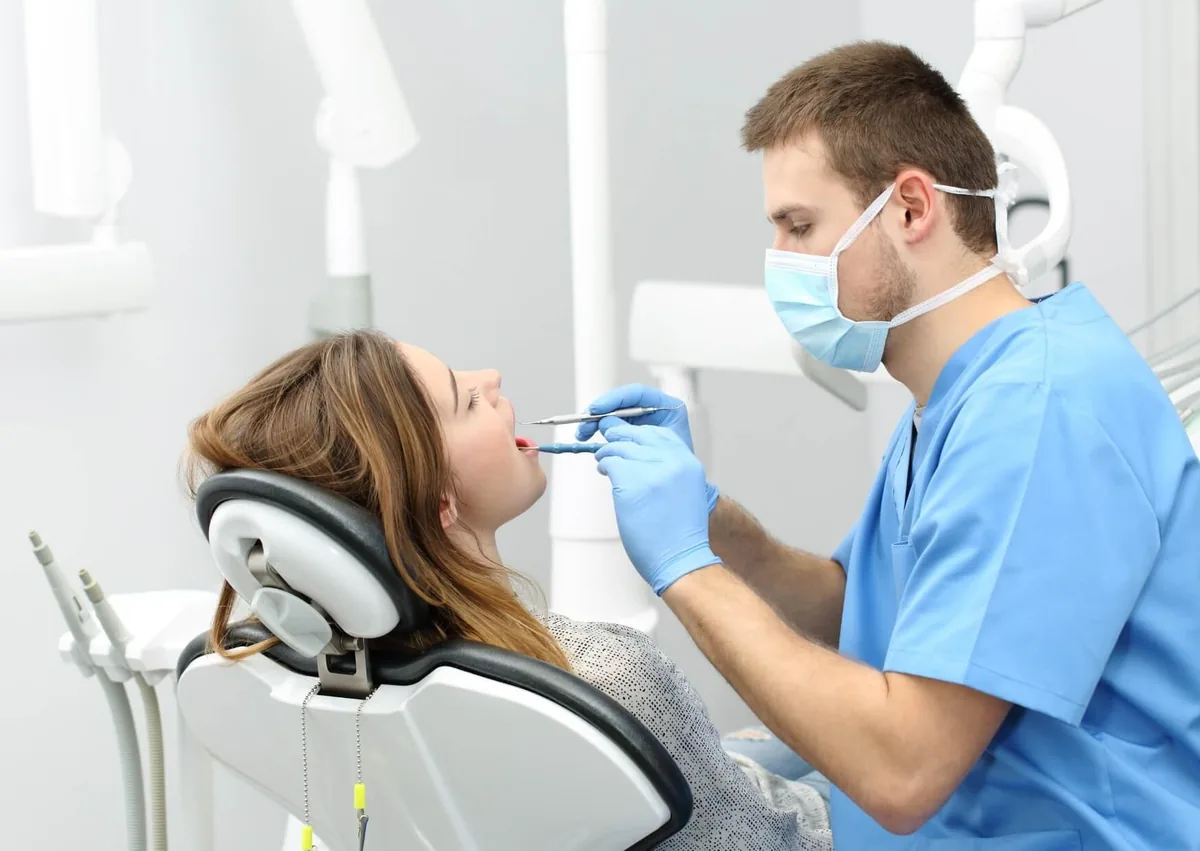
If the socket looks unusual or symptoms are not improving, a dentist will usually review when the symptoms started and how they have changed. A gentle exam is often enough to identify whether healing looks normal or whether a complication may be developing.
An X-ray may be recommended in some cases. This can help check for a retained root fragment, bone issue, or another reason for ongoing pain or delayed healing.
Treatment depends on the cause. The dentist may remove trapped debris, place a soothing dressing for dry socket, manage bleeding, or evaluate for infection instead of judging the area by appearance alone.
If more treatment is needed, comfort options may also be discussed for anxious patients. That can be especially helpful when the area is tender or when follow-up care feels stressful.
Many extraction sites heal without any additional procedure. Once the area is stable, some patients also consider tooth replacement options such as dental implants.
If symptoms are severe, worsening, or persistent, arrange a prompt evaluation so a clinician can check for complications and begin any needed treatment. Call Starlite Dental for oral surgery follow-up care in McKinney, TX, serving patients from Frisco and Allen, and schedule an appointment at (214) 504-0500.
Yes. White or cream-colored material can be normal granulation tissue or fibrin, which are both part of healing.
Do not scrape it away. Contact a dentist if it appears along with worsening pain, swelling, fever, pus-like drainage, or a strong foul taste.
Yes, a visible opening is common after an extraction. The gum closes gradually from the edges, and the socket may stay noticeable for several weeks, especially after a molar or wisdom tooth extraction.
The socket may look empty or show pale bone, but appearance alone is not always reliable. Increasing pain a few days after extraction is usually a more useful warning sign and should prompt a call to the dentist.
Light oozing and pink saliva can happen during the first day. Active bleeding should gradually lessen as the clot becomes more stable.
Contact the dental office if bleeding continues or starts again after improving. Seek urgent care if bleeding is heavy or does not respond to the instructions you were given.