Celebrating 10 Years as McKinney’s "No Anxiety" Dentist!
Most people should wait about 7 days before trying a very soft burger, and a regular burger often needs to wait 10 to 14 days or longer. The right timing depends on pain, swelling, jaw stiffness, how complex the extraction was, and the instructions from your dentist or oral surgeon. If your extraction was performed by an oral surgery specialist, follow their specific guidance.
If you're planning or recovering from wisdom tooth removal and need advice tailored to healing and eating, a consultation with the oral surgery team can clarify when it's safe to resume foods like burgers. Starlite Dental in McKinney, TX provides focused postoperative guidance to minimize complications and support a smoother recovery.
After wisdom teeth removal, a blood clot forms in each socket. That clot protects the bone and nerves underneath while the area begins to heal.
A burger can be a problem too early because it usually requires firm chewing, a wider mouth opening, and more jaw pressure. Crumbs, seeds, onions, and other small particles can also collect near the extraction sites.
If the clot is disturbed or lost, you can develop dry socket. This painful complication most often shows up in the first several days after an extraction.
Lower wisdom tooth removal can make chewing even harder because swelling and jaw stiffness are often worse. Healing may also take longer if the teeth were impacted or the extraction was more involved.
The calendar helps, but your symptoms matter more. If chewing still hurts, your jaw feels tight, or the area bleeds easily, it is too soon for a burger. Here is a general timeline most patients can use:
|
Time After Removal |
Typical Food Stage |
Burger Guidance |
|---|---|---|
|
First 24 hours |
Cool or lukewarm liquids and very soft foods |
Do not eat a burger |
|
Days 2 to 3 |
Mashed, smooth foods that need little chewing |
Continue to avoid burgers |
|
Days 4 to 7 |
Soft foods as comfort improves |
Usually still wait unless you were specifically cleared and can chew comfortably |
|
Around days 7 to 10 |
Gradual return to more solid foods |
A small, very soft burger may be reasonable |
|
Around 10 to 14 days |
Broader diet if healing is going well |
Many people can manage a regular burger carefully |
Do not move to tougher foods if pain, swelling, bleeding, or jaw stiffness is getting worse instead of better. If you had stitches, impacted teeth removed, or a complication, you may need more time.
If you decide to try one, start with the easiest version possible. Choose a soft bun and a tender patty, and skip toasted bread, crispy bacon, raw onions, pickles, seeds, and spicy sauces.
Cut the burger into small pieces instead of taking a full bite. That reduces how wide you need to open your mouth and lowers strain on the healing area.
Chew slowly and use the side away from the extraction site when possible. Stop if you notice throbbing, bleeding, or a pulling sensation.
Let the burger cool before eating it. Afterward, follow your clinician's cleaning instructions, which may include gentle saltwater rinses after the first 24 hours, but avoid forceful swishing or spitting.
During the first day, stick with foods that are smooth, cool, or lukewarm. Yogurt, applesauce, pudding, and smooth soup that is not hot are common choices.
Do not use a straw. Suction can disturb the blood clot and slow healing.
As soreness improves, you can usually move to scrambled eggs, oatmeal, mashed potatoes, soft pasta, cottage cheese, flaky fish, or well-cooked vegetables. These foods are easier to chew and help you return to normal eating more gradually.
Some soreness, swelling, bruising, and limited mouth opening are normal after wisdom tooth removal. These symptoms usually start improving after the first few days.
Delay a burger and contact the treating dentist or oral surgeon if pain is getting worse, swelling is increasing, or chewing still feels difficult. You should also reach out if the recovery timeline feels unclear.
Seek prompt dental guidance for severe pain after initial improvement, a bad taste or odor, visible pus, fever, uncontrolled bleeding, or swelling that worsens after several days. These symptoms may point to dry socket, infection, or another problem that needs evaluation; if symptoms are severe or sudden, contact emergency dentistry.
Get urgent medical help for trouble breathing or swallowing, rapidly spreading swelling, or heavy bleeding that does not stop with the pressure method your clinician recommended. Do not wait to see if those symptoms pass on their own.
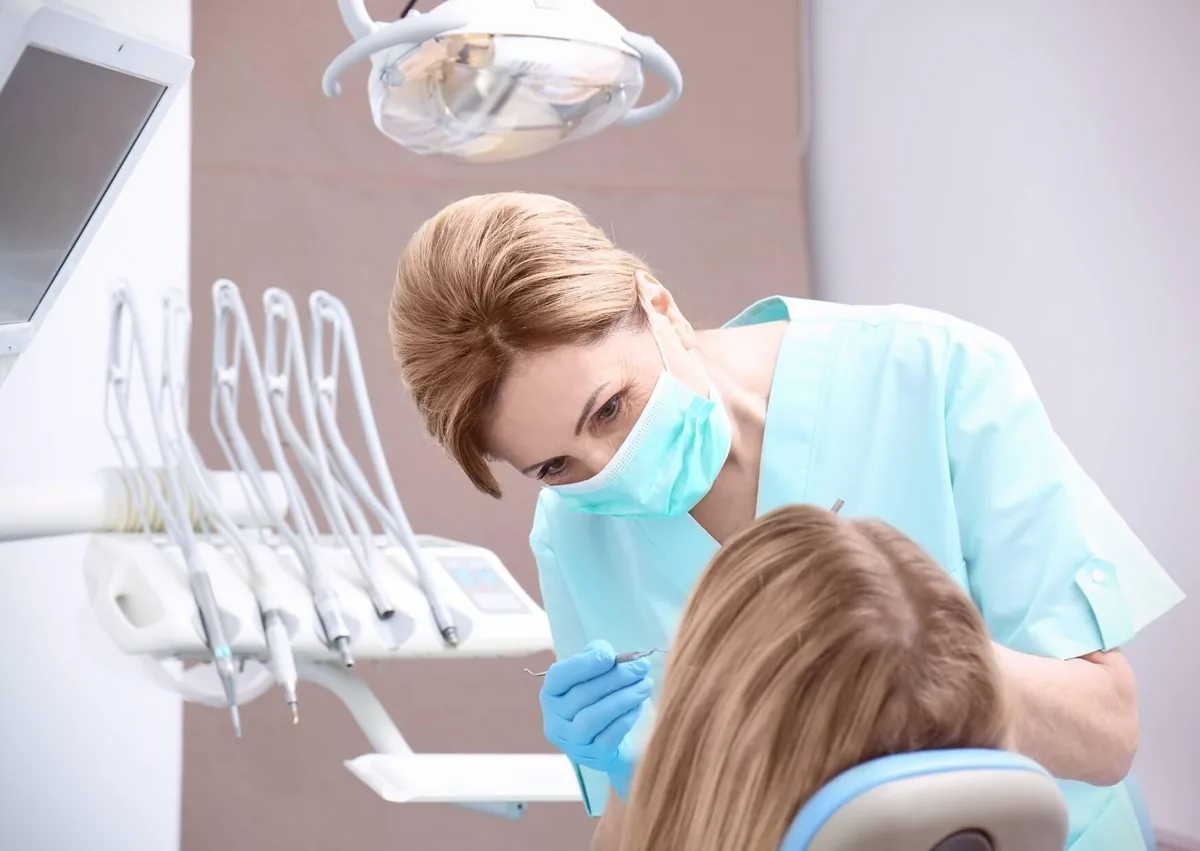
At a follow-up visit, the dentist or oral surgeon may check the sockets, review jaw movement, and confirm that healing is on track. If there is a complication, treatment may include cleaning the area or placing a soothing dressing.
If recovery is uncomplicated and soft foods feel comfortable, increase texture gradually instead of jumping straight to a large burger. That slower approach is usually more comfortable and lowers the chance of irritating the extraction sites.
If chewing is still difficult beyond the expected recovery window, schedule an evaluation. New pain, new swelling, or delayed healing should also be checked.
If you have severe pain, uncontrolled bleeding, or signs of infection after eating, a prompt evaluation can identify complications and speed relief. Contact Starlite Dental for oral surgery follow-up care in McKinney, TX and nearby Allen or Prosper, and call (214) 504-0500 to schedule or request same-day assistance.
Five days is often too soon for a typical burger, especially if the extraction sites are still sore or chewing is uncomfortable. Stay with softer foods unless your treating clinician has said otherwise.
Crispy fries are often harder to chew than a soft burger and can have sharp edges. Soft, non-crispy potato pieces are usually a better step when you are easing back into solid foods.
Do not pick at the socket with fingers, toothpicks, or other objects. Follow the surgeon's cleaning instructions, and contact the office if debris will not clear gently or if pain, odor, swelling, or discharge develops.
Many people return to more normal chewing within one to two weeks. More difficult extractions can take longer, so your comfort and your clinician's instructions should guide the pace.