Celebrating 10 Years as McKinney’s "No Anxiety" Dentist!
If dental visits feel hard to face, oral conscious sedation may help you stay relaxed during treatment while still remaining awake and able to respond. It is often used for patients with dental anxiety, a strong gag reflex, difficulty sitting still, or longer procedures, but it also requires medical screening, advance preparation, and a responsible adult to drive you home.
For a broader overview of medications and approaches used to reduce anxiety during dental care, see our oral sedation dentistry resource.
If dental anxiety or a need for lengthy treatment makes appointments difficult, sedation dentistry can help you tolerate care with less stress and improved comfort. At Starlite Dental in McKinney, TX, our team evaluates safety and tailors oral conscious sedation to reduce anxiety and make essential treatment more manageable.
Many people put off care because they worry about pain, needles, loss of control, or a past bad experience. Others struggle with sensitive teeth, jaw discomfort, or a strong gag reflex that makes treatment feel overwhelming.
Waiting too long can allow cavities, gum disease, cracked teeth, and infections to get worse. In many cases, earlier treatment is simpler and more comfortable than treating a more advanced problem.
Talking openly about dental anxiety is an important part of protecting your oral health. Your dental team can often suggest ways to make care feel more manageable.
Seek prompt dental evaluation for severe or worsening pain, facial swelling, fever, pus, or difficulty opening the mouth. Trouble breathing or swallowing, rapidly spreading swelling, or swelling near the eye requires urgent medical attention.
With oral conscious sedation, a dentist prescribes medication to be taken by mouth before your visit using specific instructions. The goal is to reduce anxiety and help you feel calm, sleepy, and less aware of the procedure.
Despite the name, most patients remain conscious and able to answer simple questions or follow directions. Some people remember little about the visit, but oral conscious sedation is not the same as general anesthesia.
This type of sedation does not numb the teeth or gums by itself. Local anesthetic is still usually used to block pain while the sedative helps you feel more relaxed.
Because medication taken by mouth cannot be adjusted as quickly as IV medication, careful screening matters. Before recommending it, the dentist should review your medical history, medications, allergies, prior sedation experiences, and factors such as pregnancy, sleep apnea, lung disease, or liver and kidney conditions.
The best option depends on your anxiety level, health history, treatment needs, and how long the procedure may take. A dentist may recommend one approach or combine comfort measures with local anesthetic and sedation; see conscious sedation dentistry for more on these approaches.
|
Option |
Typical Experience |
Key Practical Point |
|---|---|---|
|
Comfort techniques and local anesthetic |
Awake and fully alert; the treatment area is numbed |
May be enough for mild anxiety |
|
Nitrous oxide |
Relaxed while breathing gas through a small nose mask |
Effects usually fade quickly after the gas stops |
|
Oral conscious sedation |
Drowsy and relaxed but responsive |
Requires an escort and recovery time |
|
IV sedation |
Medication enters a vein and can be adjusted during care |
Requires specialized monitoring and training |
|
General anesthesia |
Fully unconscious |
Reserved for selected cases in an appropriately equipped setting |
Sedation is not chosen based on anxiety alone. Procedure length, airway concerns, age, medical conditions, and medication interactions also affect which option may be safest.
Your dental office should give you specific instructions about eating, drinking, and taking regular medications. Follow those instructions exactly, and do not take extra sedatives, alcohol, cannabis, sleep aids, or other substances unless the treating clinician has approved them.
Give the office a complete list of prescription medications, over-the-counter products, vitamins, and supplements. Also mention recent illness, nasal congestion, pregnancy or possible pregnancy, sleep apnea, medication allergies, and any past reaction to anesthesia or sedation.
You will need a responsible adult to drive you to and from the appointment and stay available during early recovery. Public transportation, taxis, and rideshare services usually do not replace an escort because judgment, balance, and memory may still be affected.
Wear comfortable clothing and leave valuables at home. If any instructions are unclear or you cannot follow them, call the office before your visit.
At the start of the visit, the team usually reviews your health information, confirms that you followed the preparation instructions, and records baseline measurements. Depending on the planned sedation level and office protocols, monitoring may include oxygen level, breathing, blood pressure, heart rate, and responsiveness.
You may feel calm, heavy-limbed, sleepy, or less aware of time. The dentist then uses local anesthetic as needed and begins treatment while continuing appropriate monitoring.
People respond to oral sedation differently. In some cases, the procedure may need to be adjusted or postponed if the sedation effect is not adequate or if safety concerns come up.
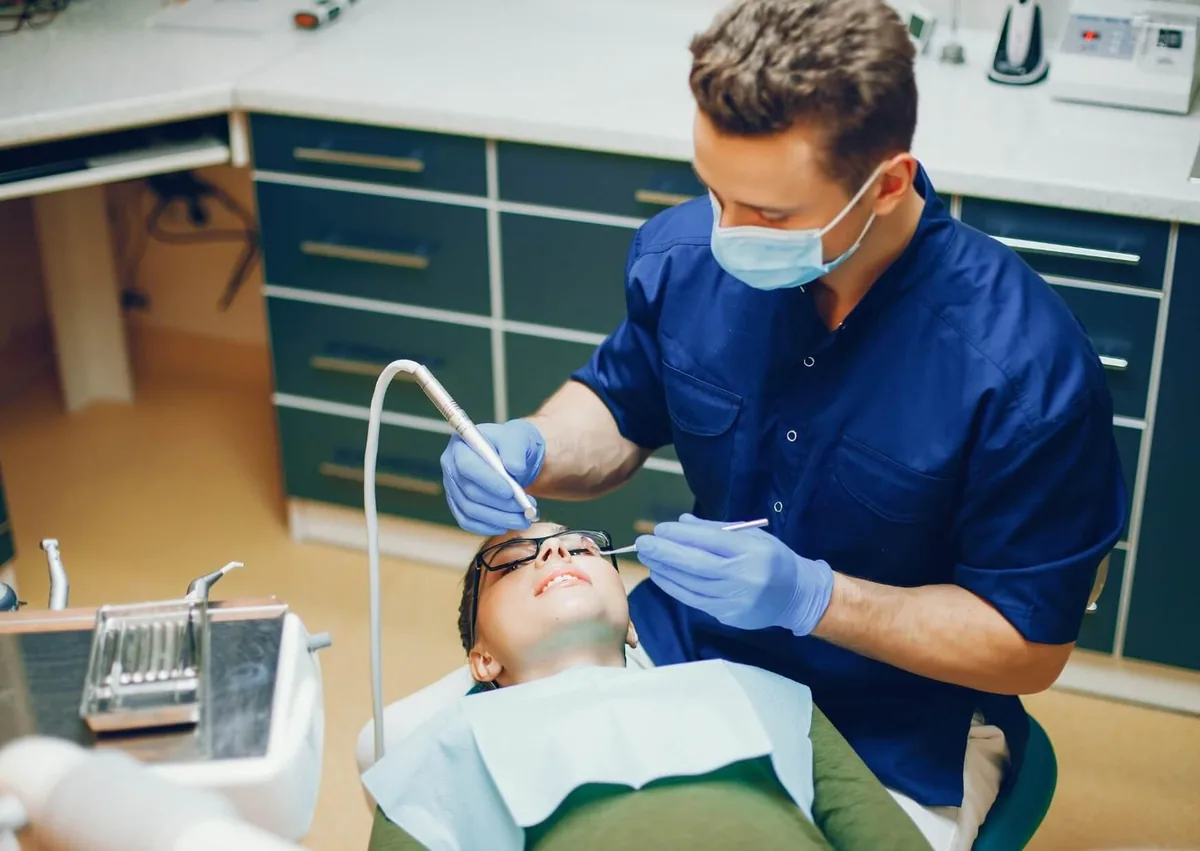
After treatment, it is common to feel drowsy, unsteady, mildly nauseated, or mentally foggy. Some patients also have patchy memory of the appointment.
Your escort should follow the office's written instructions and help you get home safely. For the amount of time your dentist recommends, avoid driving, operating machinery, drinking alcohol, making important decisions, signing legal documents, or caring for someone without help.
Resume food, fluids, and regular medications only as directed. If your dental procedure has separate aftercare instructions, those should be followed along with the sedation recovery guidance.
Contact the treating office if vomiting continues, symptoms worsen, pain is not controlled as expected, or you have any concerns about recovery. Call 911 for trouble breathing, inability to awaken normally, bluish or gray lips, chest pain, seizure, or another severe reaction.
Oral conscious sedation can help some patients complete needed dental care with less fear and stress, but it is not right for every person or every procedure. A consultation gives the dentist time to examine your mouth, review your health history, discuss your anxiety level, and explain the safest treatment options.
It may be worth asking about sedation if fear has caused you to delay care, if past visits were difficult to tolerate, or if you expect a longer procedure. Severe pain, swelling, fever, or signs of infection should be evaluated promptly rather than waiting for a routine sedation visit.
Sedation may be considered for procedures such as oral surgery or dental implants, where treatment may be longer or more involved. For implant-specific details, see sedation for dental implants.
If oral conscious sedation may help you complete necessary treatment safely, schedule a consultation so the dental team can review your health, medications, and appropriate sedation options. Call Starlite Dental for sedation dentistry in McKinney, TX, serving patients from Allen and Prosper, or reach us at (214) 504-0500 to arrange your visit.
Usually not. Most patients remain awake enough to respond to instructions, although they may feel very drowsy and remember little about the appointment.
Sedation mainly reduces anxiety and awareness. Local anesthetic is generally used separately to numb the treatment area and control procedural pain.
No. Sedative effects can impair coordination and judgment after the visit, so a responsible adult must provide transportation and follow the dental team's supervision instructions.
It can be safe for appropriately selected patients when prescribed and monitored by a qualified dental professional. Safety depends on accurate health information, proper screening, following preparation instructions, and avoiding unapproved medications or substances.
Recovery varies with the medication, procedure, health status, and individual response. Drowsiness may last for several hours, and patients should follow the dentist's specific restrictions for the rest of the day or longer if instructed.